
The Films of Joan Crawford: Part 1
1925-1939: Dancing Ingenue
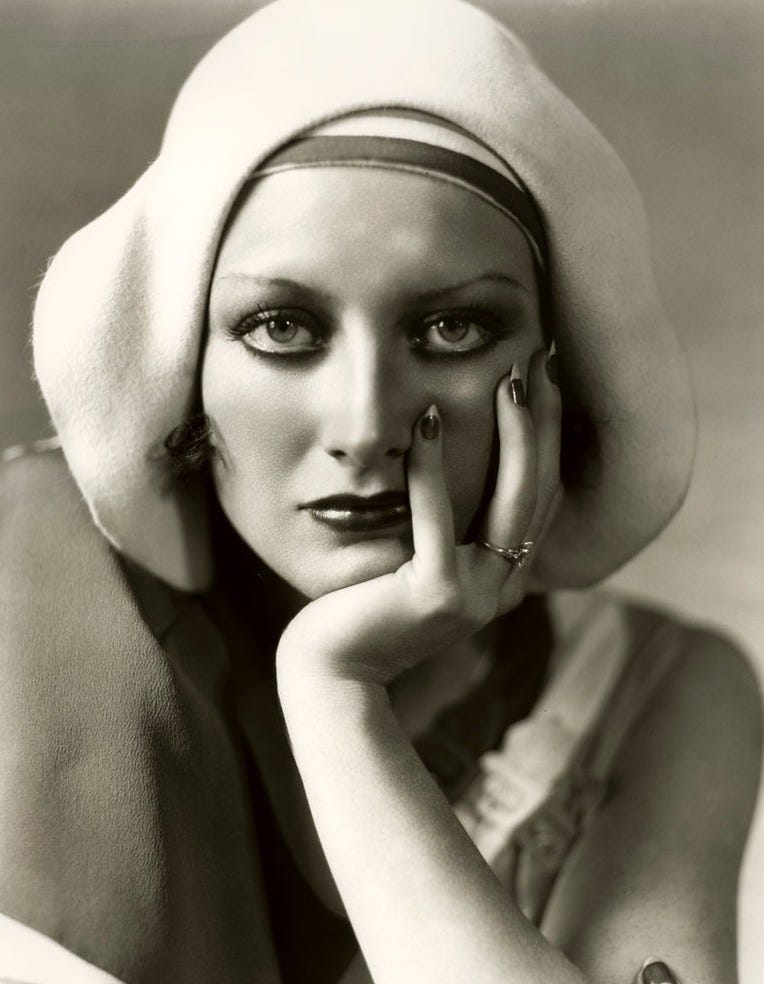
I had the great honour of meeting Joan Crawford’s grandson, Casey Lalonde twice, at occasions where he screened a series of personal home movies before her films Mildred Pierce and Johnny Guitar. As someone who grew up thinking of movie stars from the Golden Age of Hollywood as gods on Mount Olympus, it was more than a thrill to be able to give my opinion of so great a star to a relative who knew her (and on my birthday, to boot!). I have always believed Crawford to be one of the finest technicians of film acting on screen, and I don’t mean this in a reductive way, she gave a lot of heart to her performances, but her ability to keep her face still and her eyes alive when the camera was on her was an astounding skill that she held on to for her entire career.
Born somewhere between 1904 and 1908 (like any legend, she fudged the details when it suited her), she survived a difficult (to say the least) childhood before becoming a dancer and eventually making her mark, after two name changes, as a movie star with Our Dancing Daughters in the late twenties. She held on to her fame in the 1930s, but the following decades saw her always fighting to hold on to her relevance (but never her talent, which she never lost).
A Slave Of Fashion (Hobart Henley, 1925)
Ben-Hur: A Tale of the Christ (Fred Niblo, 1925)
Lady of the Night (Monta Bell, 1925)
Old Clothes (Edward F. Cline, 1925)
Pretty Ladies (Monta Bell, 1925)
Proud Flesh (King Vidor, 1925)
Sally Irene and Mary (Edmund Goulding, 1925)
The Circle (Frank Borzage, 1925)
The Merry Widow (Erich von Stroheim, 1925)
Time The Comedian (Robert Z. Leonard, 1925)
Paris (Edmund Goulding, 1926)
The Boob (William A. Wellman, 1926)
Tramp Tramp Tramp (Harry Edwards, 1926)
Spring Fever (Edward Sedgwick, 1927)
The Taxi Dancer (Harry F. Millarde, 1927)
The Understanding Heart (Jack Conway, 1927)
The Unknown
Tod Browning, 1927
Rating: BBBB
Cast: Lon Chaney, Norman Kerry, Joan Crawford, Nick De Ruiz, John George, Frank Lanning, Polly Moran, Bobbie Mack, Louise Emmons, Julian Rivero, Billy Seay, John Sainpolis, Italia and Venetia Frandi, Tom Amandares, Paul Desmuke
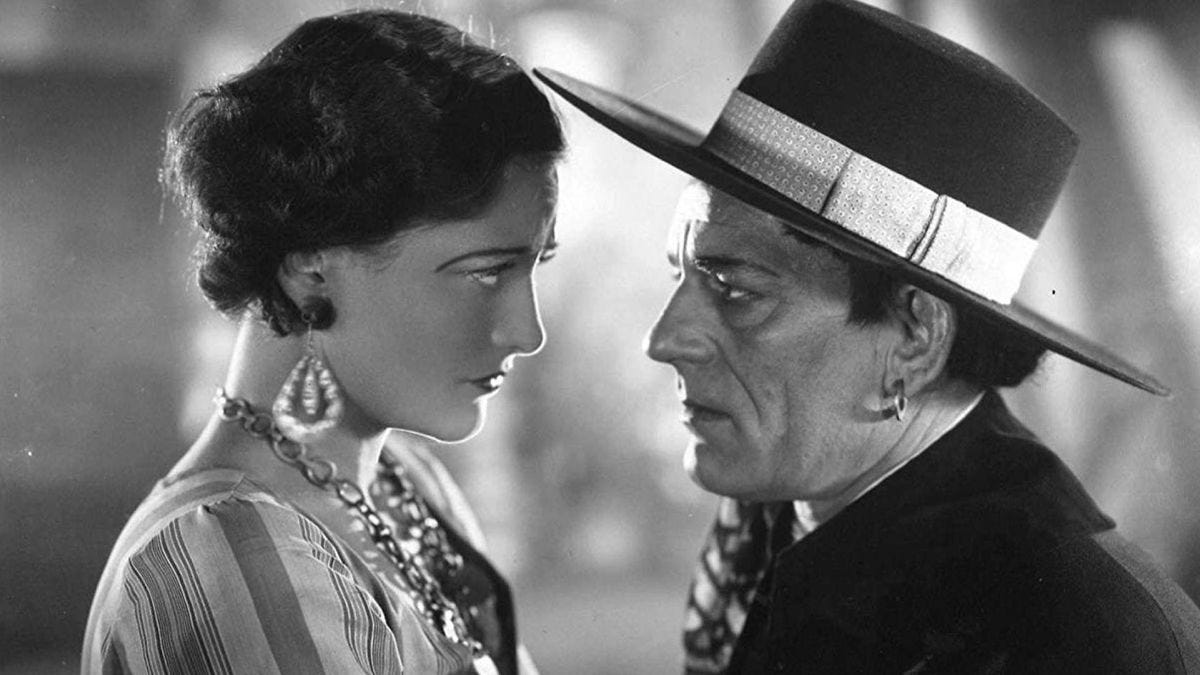
Life in the colourful and unpredictable world of the circus was a favourite film setting in the days before talkies, and here Tod Browning brings a great deal of disturbing darkness to it in this brief but potent romantic melodrama. It features elements that he would expand upon in his groundbreaking and controversial Freaks five years later, featuring Lon Chaney, the “man of a thousand faces”, as Alonzo, an armless dagger thrower whose trick is lobbing giant knives with his feet at his assistant Nanon (Crawford) while she is strapped to a revolving wheel. What no one but his one companion Cojo knows is that Alonzo isn’t actually armless, it’s the trick of a tight brace he uses, in part to hide the deformity of his one double-thumbed hand. He’s in love with Nanon and assumes they’re perfect for each other, as she has spent her lifetime being abused by men and has a pathological intolerance of anyone putting their hands on her. Alonzo reveals his sadistic streak when he goes out with his arms free and is spotted by Nanon’s father, the temperamental owner of the circus, and they get into a fight that leads to Alonzo killing him in a rage. She witnesses the incident but doesn’t recognize the killer, making way for him to have her all to himself: he lets the circus move on to the next town and tells Nanon that he’ll keep her from having to do that drudgery anymore. Unfortunately, she has the hots for the hunky Malabar, who stays in the picture, leading Alonzo to commit a very drastic (and gruesome) act in order to be with the woman he loves. There’s about fifteen minutes missing from the currently known print but you don’t suffer for plot, it crosses all three acts with healthy satisfaction and shows off the superb performances by the actors, while plucking at your nerves with its macabre imagery. This film highlights Crawford in the early phase of her career as a silent screen star, barely recognizable without the dramatic makeup that would shape her face so differently in later years.
Twelve Miles Out (Jack Conway, 1927)
West Point (Edward Sedgwick, 1927)
Winners of the Wilderness (W.S. Van Dyke, 1927)
Across To Singapore (William Nigh, 1928)
Dream Of Love (Fred Niblo, 1928)
Four Walls (William Nigh, 1928)
Our Dancing Daughters
Harry Beaumont, 1928
Rating: BBBB
Cast: Joan Crawford, John Mack Brown, Nils Asther, Dorothy Sebastian, Anita Page, Kathlyn Williams, Edward J. Nugent, Dorothy Cumming, Huntley Gordon, Evelyn Hall, Sam De Grasse
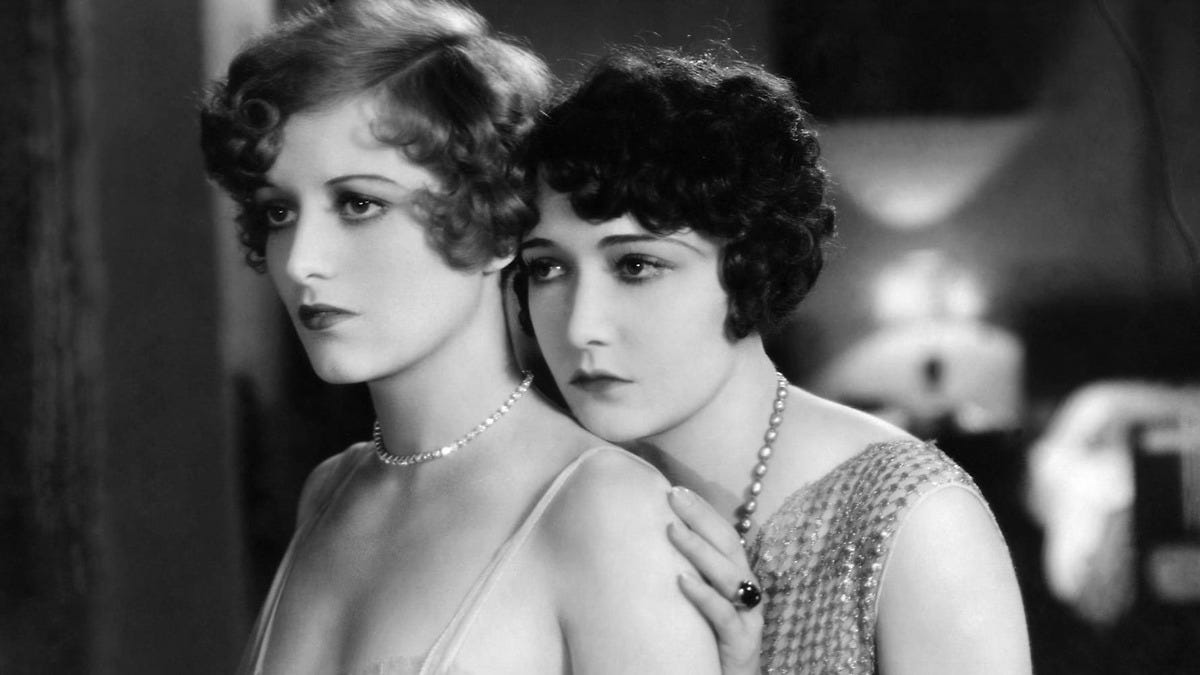
The film that deservedly made Crawford an A-list star is a terrific, spirited drama about jazz babies and their tangled love lives. She plays a vivacious flapper who loves to kick up her heels at parties, enjoying the odd flirt with men but in reality a reserved and modest woman. Anita Page, meanwhile, plays the innocent coquette but only has dollar signs in her eyes when she flashes eyes at the same man that Crawford is in love with, a millionaire played by Johnny Mack Brown. While he has genuine feeling for Joan, he falls for Page’s routine and sees her as more suitable wife material, marrying her and plunging himself into a miserable life of endless spending for her materialistic needs (this film doesn’t know it, but don’t worry too much, as Black Tuesday is just around the corner). Crawford takes it like a champ and goes on with her life, but later on she reunites with her ex-lover and sets some shameless melodrama in motion. Silent movies relied heavily on strong archetypes to help tell stories more efficiently, categorizing people with little nuance was helpful for dramatic purposes, so it’s fascinating to see a movie that, while never particularly smashing stereotypes of morality in women, challenges and subverts them by forcing us to look deeper than is usually encouraged. It’s a top-tier production from the studio that features an exceptional script by Josephine Lovett, beautiful cinematography and unreservedly dedicated performances by the leads: Crawford shows up fully prepared for her star turn, you don’t need dialogue on the soundtrack to experience all the levels of emotional intelligence she delivers, and watching her do it with such easy strength is a genuine pleasure.
Rose-Marie (Lucien Hubbard, 1928)
The Law of the Range (William Nigh, 1928)
Our Modern Maidens
Jack Conway, 1929
Rating: BBB.5
Cast: Joan Crawford, Rod La Rocque, Douglas Fairbanks Jr., Anita Page, Josephine Dunn, Edward Nugent, Albert Gran
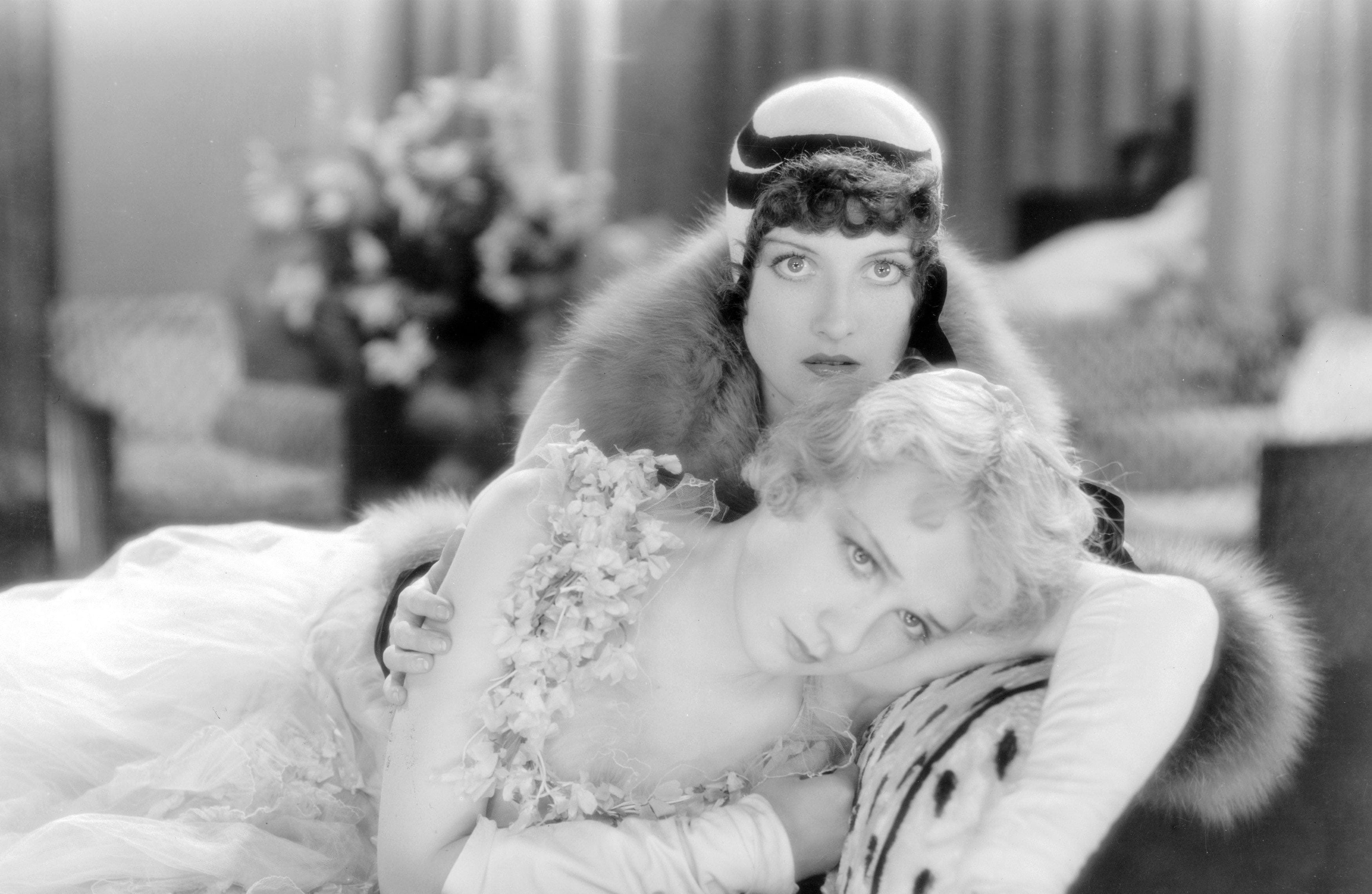
The success of Our Dancing Daughters naturally meant that the studio was obliged to give the studio more of what the people wanted, resulting in this worthy follow-up that reunited Crawford and Anita Page with screenwriter Josephine Lovett. Last time, Lovett was warning us about judging women on appearance, this time she was warning modern girls to wield their newfound powers wisely. Crawford is in love with and secretly engaged to Douglas Fairbanks Jr. (to whom she’d soon be married in real life) and, in an effort to help him with his political career, decides to sweet-talk a visiting American diplomat (Rod La Rocque) into helping get her man a job in his Paris office. Her flirting with La Rocque is perfectly harmless but the plan backfires badly, as the older gentleman falls in love with her and she’s unable to deny returning the feeling, while Fairbanks spends the free time she’s given him with Page and trouble results there as well. For all that this sounds like painfully soapy drama, Lovett’s script avoids moralizing, emphasizing instead that the opposite to a heavily codified society isn’t a free one but a responsible one, leading to a climax at Crawford and Fairbanks’ wedding and a very unusual twist towards the end. While not as peppy as the previous film, it’s still a beautifully shot and intelligent indulgence that features Crawford once again showing herself the true towering genius among her peers. Lots of shocking pre-Code behaviour, like premarital sex and taking marriage vows for granted (gasp!), but while it doesn’t repeat the previous film’s dramatic urgency, it does treat female friendship as something heroic, and Crawford delivers plenty of warmth in the role.
The Duke Steps Out (James Cruze, 1929)
The Hollywood Revue of 1929 (Charles Reisner, 1929)
Untamed (Jack Conway, 1929)
Montana Moon (Malcolm St. Clair, 1930)
Our Blushing Brides (Harry Beaumont, 1930)
Paid (Sam Wood, 1930)
Dance Fools Dance (Harry Beaumont, 1931)
Laughing Sinners (Harry Beaumont, 1931)
Possessed
Clarence Brown, 1931
Rating: BBBB.5
Cast: Joan Crawford, Clark Gable, Wallace Ford, Richard “Skeets” Gallagher, Frank Conroy, Marjorie White, John Miljan, Clara Blandick
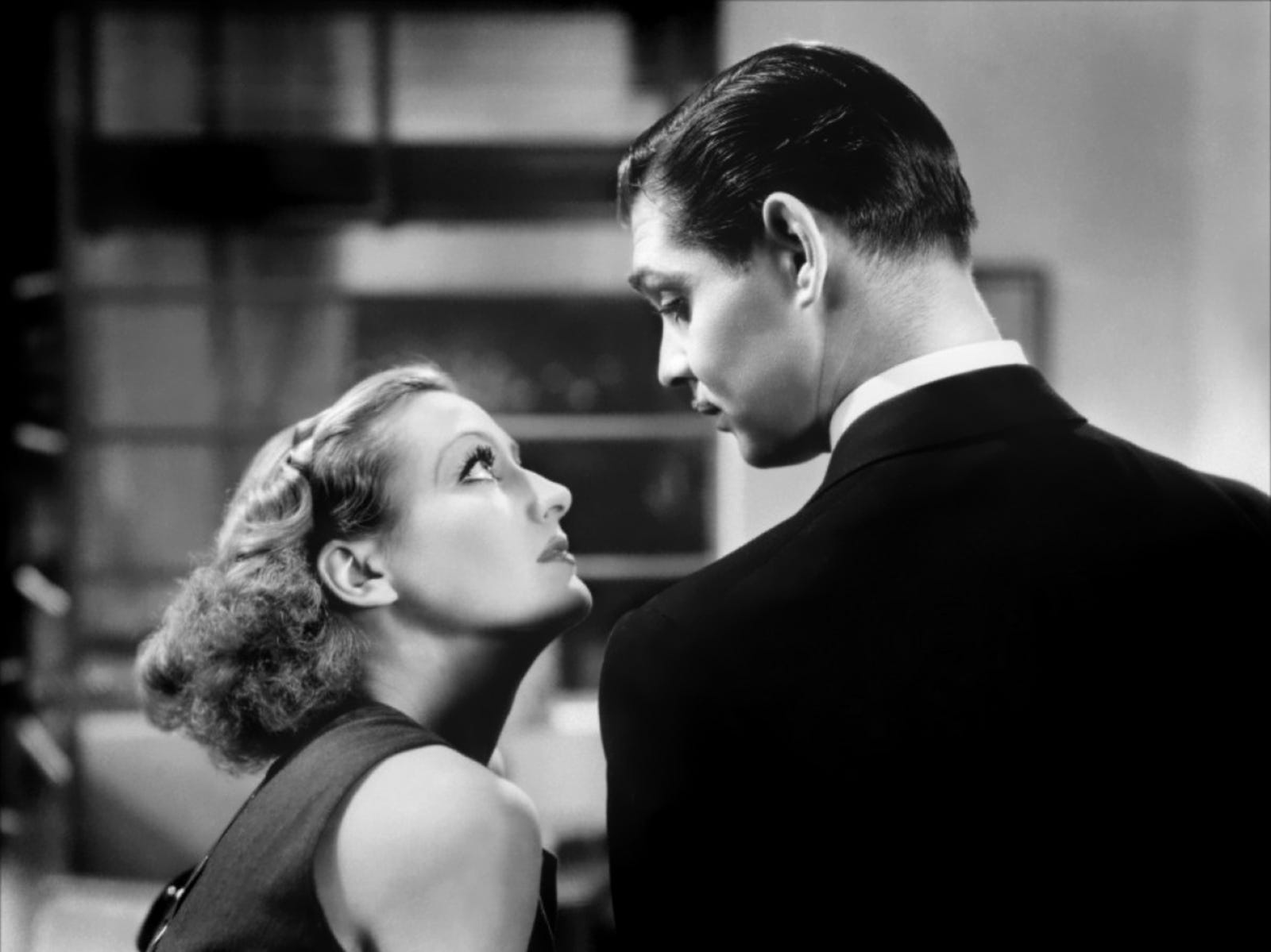
Crawford has at this point moved into talkies and adds to her strengths, that bewitchingly charismatic face now accompanied by a smart and dominating delivery of this film’s exceptionally good dialogue. She plays a factory girl in a nowhere town who wants more than her dull, cement-mixing boyfriend and living a shanty house with her mother (Clara Blandick). An inspired sequence of her waiting for a slowing train to pass while walking home sees her staring into its private cars where people live the fine life, dining on fancy food and doing a waltz, until the vehicle stops and she chats with a millionaire who is enjoying far too many martinis on the train deck, and invites her to join him. Next thing we know, she has brought herself to New York City and is looking this kind stranger up, but all he has to offer her is the advice to go out and make it on her own; luckily, she meets his wealthy lawyer friend (Clark Gable) just as she is leaving, with whom she is immediately smitten and the feeling is returned. Years pass and now Crawford has learned French and German, plays piano and knows how to serve a fine dinner, enjoying a very modern, unmarried relationship with Gable that is protected by her cover as the divorcee to a fictitious ex-husband (but actually it’s just Gable footing the bills). She longs for more than just an endless love affair but accepts the fact that Gable is anti-marriage, but when he begins to pursue a political career and she realizes that she could be a liability, she finds herself facing the fact that her fine life isn’t honest and that she loves him too much to risk him not achieving his potential. The Stella Dallas-esque sacrifice made in a world where women are always at the mercy of what men can do for them reads as ridiculous now, but the film’s main message, that love cannot exist without integrity, makes it so much more powerful than most of the social climbing melodramas that were popular in the day. It helps that Crawford herself, who often played ambitious girls looking to become sophisticated women, is perfect for the role, you can tell she’s had it hard but that she has a natural refinement, and it makes it easy to root for her the whole way.
This Modern Age (Nick Grinde, 1931)
Grand Hotel
Edmund Goulding, 1932
Rating: BBBB.5
Cast: Greta Garbo, John Barrymore, Joan Crawford, Wallace Beery, Lionel Barrymore, Lewis Stone, Jean Hersholt
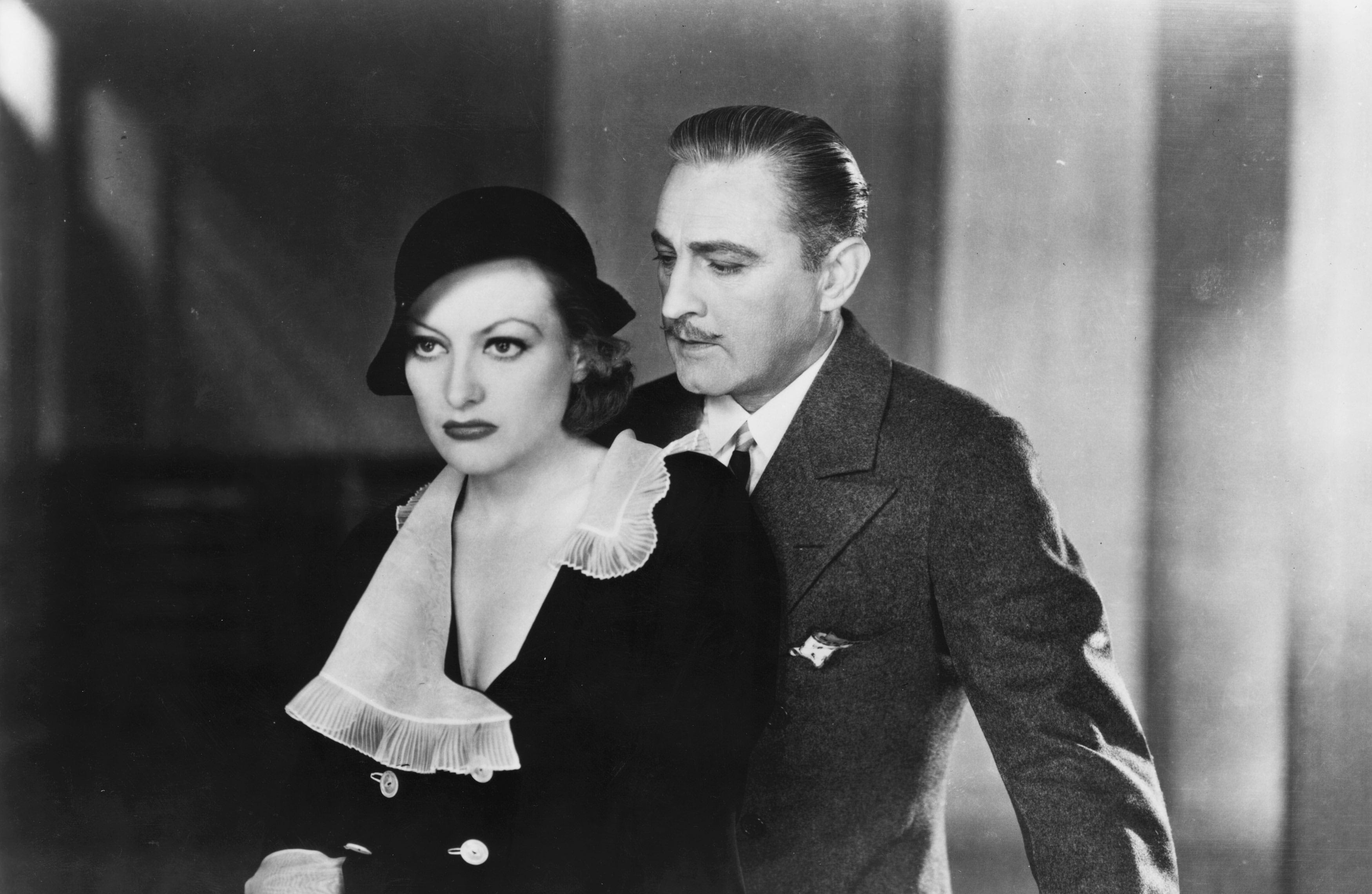
MGM boasted that it had more stars than there were in the heavens and often attempted to put them all in one film, in this case a busy all-star spectacle set in a Berlin hotel where two days change the lives of many of the guests. The attention was all on Greta Garbo as an anxious ballerina who just “vants to be alone”, but today her performance comes off a campy (and likely conscious) send-up of her melodramatic image. Crawford, on the other hand, is blazingly modern as a stenographer who has to negotiate between her dignity and her survival as she is romanced by impoverished baron John Barrymore and exploited by nouveau riche industrialist Wallace Beery. Lionel Barrymore as a dying employee blowing his money on a last holiday is an annoying collection of overblown mannerisms, but Joan’s intelligent expressions hold back her frustrations of being born in the wrong class feel like a time bomb waiting to explode.
Letty Lynton (Clarence Brown, 1932)
Rain (Lewis Milestone, 1932)
Dancing Lady
Robert Z. Leonard, 1933
Rating: BBB
Cast: Joan Crawford, Clark Gable, Franchot Tone, May Robson, Winnie Lightner, Fred Astaire, Robert Benchley, Art Jarrett, Grant Mitchell, Ted Healy, Moe Howard, Curly Howard, Larry Fine, Nelson Eddy, Maynard Holmes, Sterling Holloway, Gloria Foy, Eve Arden
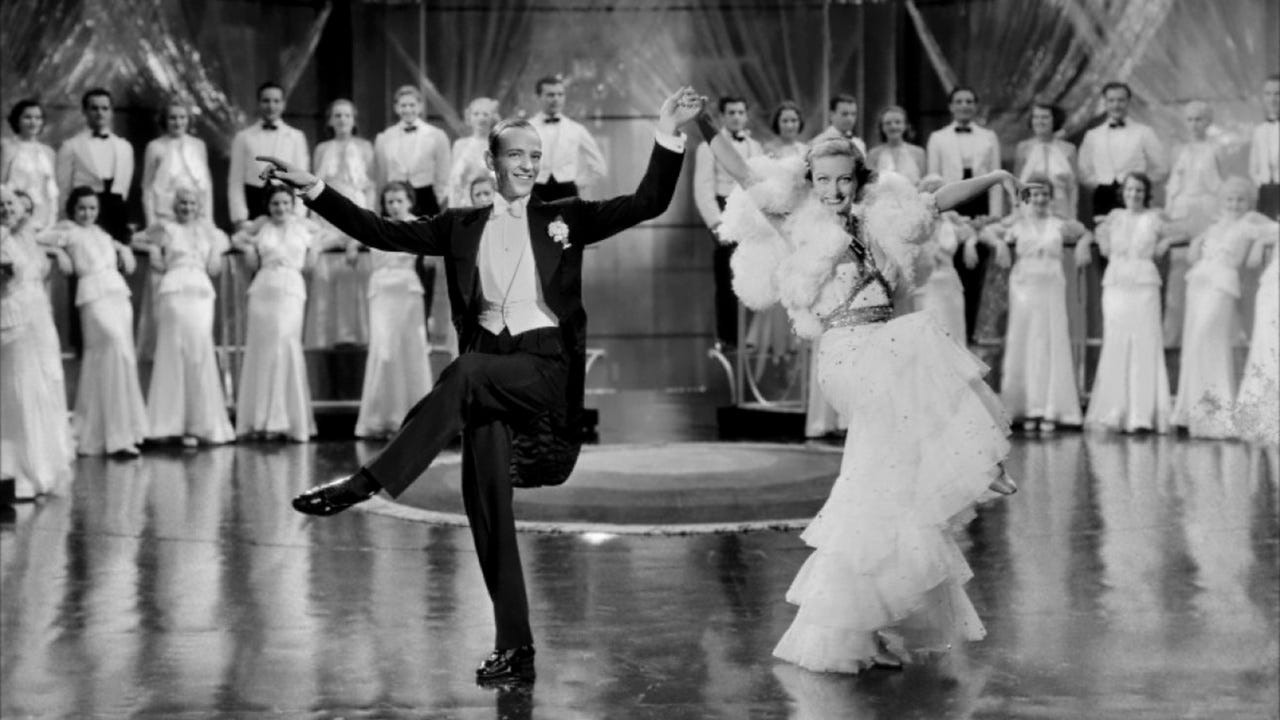
Low-key musical about a burlesque dancer (Joan Crawford) who tries to go legit after she’s been raided for the last time by the police. Clark Gable is the theatrical impresario who originally gives her the “brush-off” but eventually decides to hire her and then romance her. One of the many films the two stars made in the thirties, this one isn’t irresistible but it does feature Fred Astaire’s film debut.
Today We Live (Howard Hawks, 1933)
Chained (Clarence Brown, 1934)
Forsaking All Others (W.S. Van Dyke, 1934)
Sadie McKee
Clarence Brown, 1934
Rating: BBBB
Cast: Joan Crawford, Gene Raymond, Franchot Tone, Edward Arnold, Esther Ralston, Earl Oxford, Jean Dixon, Leo G. Carroll, Akim Tamiroff, Zelda Sears, Helen Ware, Gene Austin, Candy Candido, Otto Heimel, Mabel Colcord
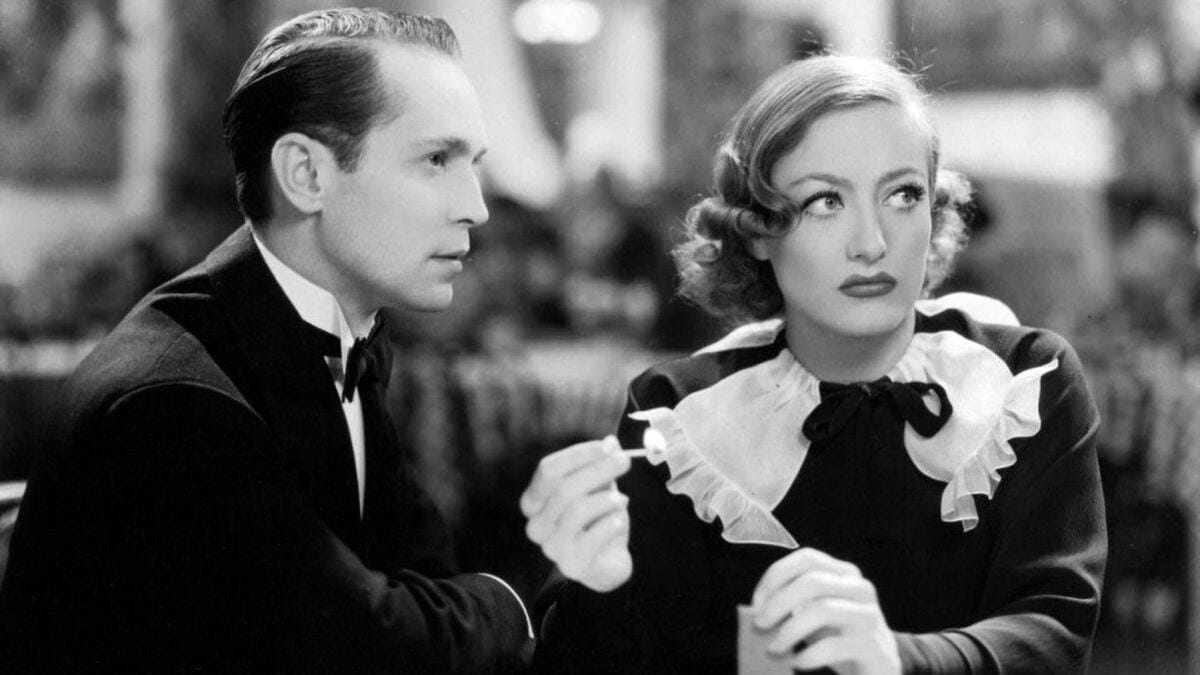
Depression-era audiences loved stories about upward social mobility and, in her Thirties heyday, Crawford was the queen of working girls who make it to the top, once again playing the ambitious girl whose low origins can’t hide a natural inclination for finer living. This time she’s the daughter of a cook who works for a very wealthy, factory-owning family, working as a store clerk but helping out at the mansion whenever her mother’s employers have extra guests and need more people to serve. Her boyfriend Tommy (Gene Raymond) is an employee at the factory who has been accused of stealing, and when Crawford overhears unflattering dinner conversation about it from family heir Franchot Tone, she flies into a rage, runs away and joins Tommy on a train to New York City. There she has to start from the bottom, abandoned by Tommy who leaves her for a seductive singer, working as a dancer in a nightclub to pay the rent, her only friend the club’s seamstress (Jean Dixon) who also lives in her rooming house. When a drunken millionaire (Edward Arnold) comes in and takes a liking to her, Crawford endures it the way she does all her handsy customers until realizing that Arnold’s lawyer is her old pal Tone, and it inspires a vengeful rage in her that eventually sees her marrying the blotto Arnold just to spite him. From there the soap opera winds through and around her various experiences, seeing her prove herself more than a gold digger by saving her husband from his own addiction (a rare case of alcoholism treated like a disease and not an opportunity for humour in a movie of the time) before tying up the loose ends of her life. Much like Possessed, Crawford gets everything the wrong way so that she can then achieve it all properly later on. The script isn’t the tightest it could be, but director Brown could get affection and honesty out of any story and does a bang-up job here, emphasizing Crawford’s admirable personal integrity and placing great care in how he presents her wonderful friendship with Dixon. This is the movie that Blanche is watching in What Ever Happened To Baby Jane?
I Live My Life (W.S. Van Dyke, 1935)
No More Ladies (Edward H. Griffith, 1935)
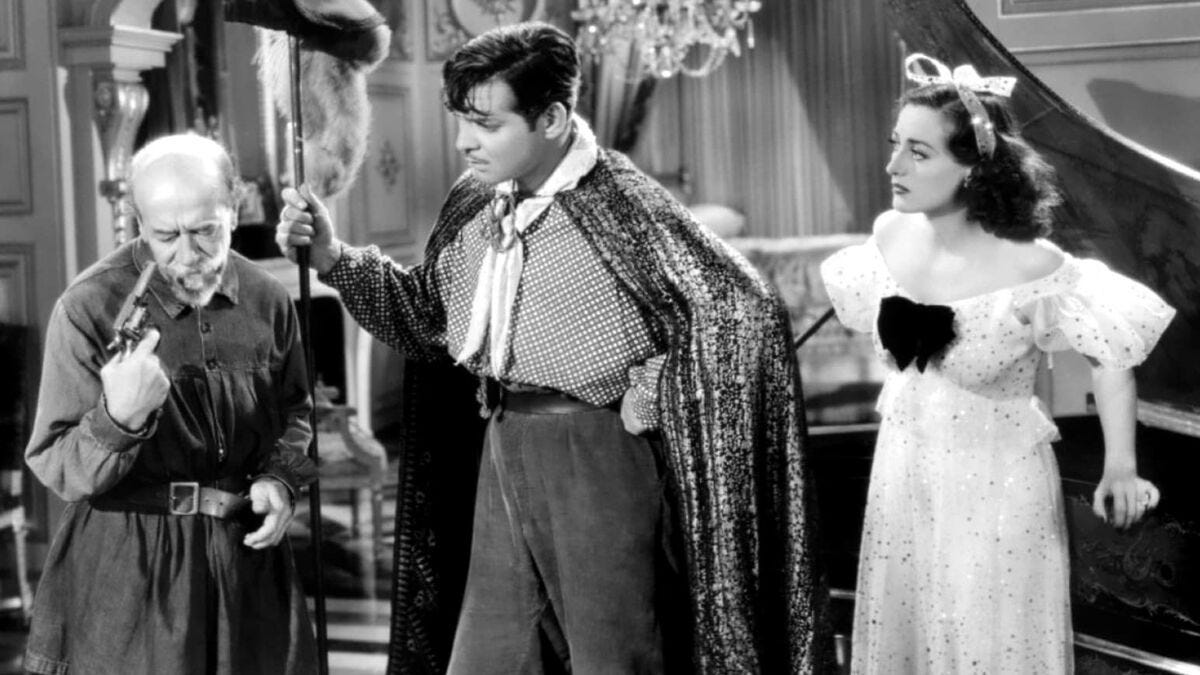
Love On The Run
W.S. Van Dyke, 1936
Rating: BBB
Cast: Joan Crawford, Clark Gable, Franchot Tone, Reginald Owen, Mona Barrie, Ivan Lebedeff, Charles Judels, William Demarest, Donald Meek, Charles Trowbridge, Billy Gilbert, Frank Puglia, Harry Allen
Shamelessly stealing plot elements from It Happened One Night while trying to show them up with an incongruous (though diverting) subplot involving dangerous spies, this one features Clark Gable once again playing a shady reporter chasing a runaway bride. He and fellow newspaper man Franchot Tone are frenemies always looking to outdo each other on the job, so after Gable espies American society heiress Joan Crawford stealing away from her impending wedding to a European prince, he gets in good with her by lying about his actual profession. The two of them manage to escape incognito from her hotel by taking the identities (and eventually the airplane) of two German(ish) tourists that they don’t realize are in possession of stolen government documents. If you can believe the preposterous notion that someone can just teach themselves to fly a plane that quickly, and then survives a devastating crash landing with barely a scratch, you’ll enjoy the caper as this romantic twosome make it to France and cross the country on train and foot, outrunning the enemy while Gable has to constantly keep Tone from getting the scoop on him. Not surprisingly, the pair find a mutual affection while pulling off such capers, but their realistic, sweaty chemistry is somewhat at odds with the flavour of cartoon comedy that the film is selling, including such antics as looking out the airplane window to see if the ground matches the colour on their map, or sneaking into the museum of Marie Antoinette’s boudoir to have a dance party before catching forty winks. It’s a screwy screwball film with plenty of laughs and a great deal of spirit, and Crawford rarely got to do Carole Lombard, here showing herself quite adept at the task and, thankfully, very game for the film’s silly humour.
The Gorgeous Hussey (Clarence Brown, 1936)
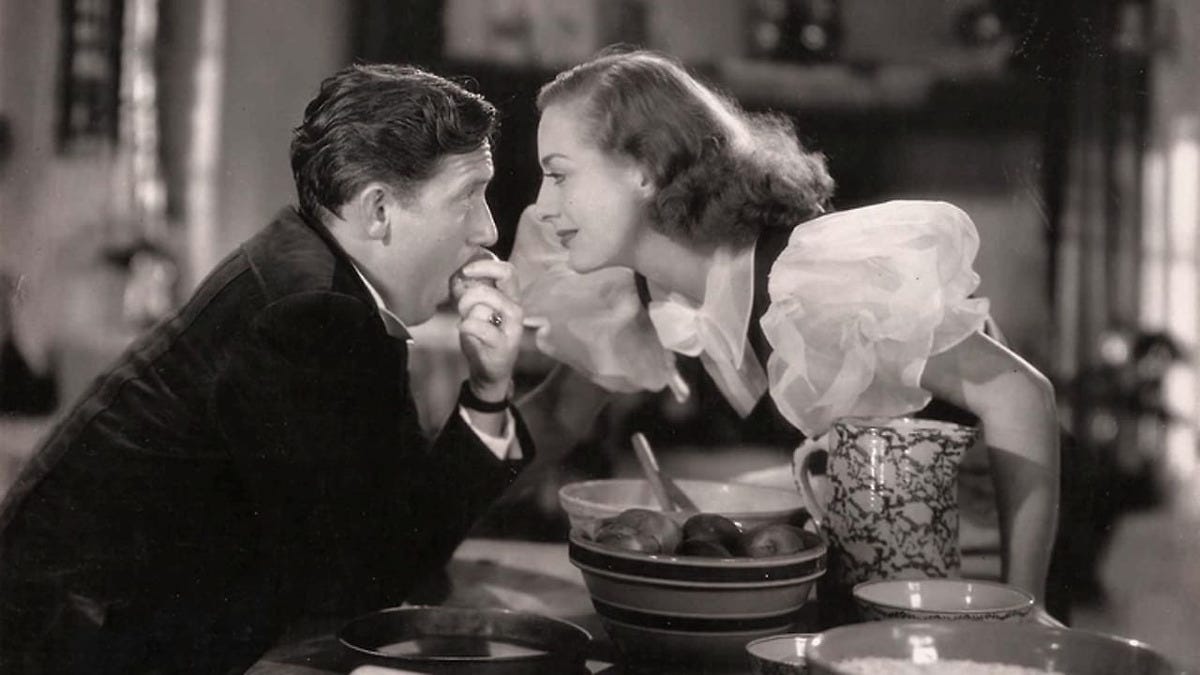
Mannequin
Frank Borzage, 1937
Rating: BBB
Cast: Joan Crawford, Spencer Tracy, Alan Curtis, Ralph Morgan, Mary Philips, Oscar O’Shea, Elisabeth Risdon, Leo Gorcey, Gwen Lee, George Chandler, Bert Roach, Marie Blake, Matt McHugh, Paul Fix, Helen Troy, Donald Kirke, Phillip Terry
Crawford is once again clawing her way out of the gutter, this time out of the noise of New York City’s Hester Street, where she lives with and supports her careworn mother and unemployed father and brother by working in a garment factory. Tired of the endless nights of fighting and eating potatoes and sauerkraut, she convinces her childhood sweetheart Alan Curtis to finally marry her, which he does, taking her to a nice new apartment and promising that his current gig managing a boxer will be something very lucrative someday. When she catches the eye of a self-made millionaire shipping magnate (Spencer Tracy) who originally came from her neighbourhood, she keeps her distance thanks to her own self respect as a married woman, but Curtis, who is a lot shadier than he at first seemed, comes up with a get-rich quick scheme that ruins all her illusions: he proposes that she divorce him, marry Tracy and then after a few months divorce him for a huge settlement. From there continues a convoluted melodrama whose focus is never clear, whether it’s about the love triangle, or Crawford and Tracy specifically, or a story of her own development as a woman becoming awake to the manipulations of the people around her (or, as is the usual message in the thirties and its appeal to Depression-era audiences, the dissatisfying emptiness of wealth). The actual modeling work that inspires the title is a very small part of the plot (though it does provide for a dazzling fashion show that would have really fed the imaginations of many watching it), but even if this film’s script isn’t always smoothly worked out, the characters are always genuine and affecting. Borzage showed us his skill for presenting the harsh realities of marriage with affection and sexy intensity in Bad Girl, and while he’s not supported by material equal to that here, he still elicits a sympathetic intimacy out of the stars (their only time working together) that makes the film affecting even if it is not overwhelming.
The Bride Wore Red (Dorothy Arzner, 1937)
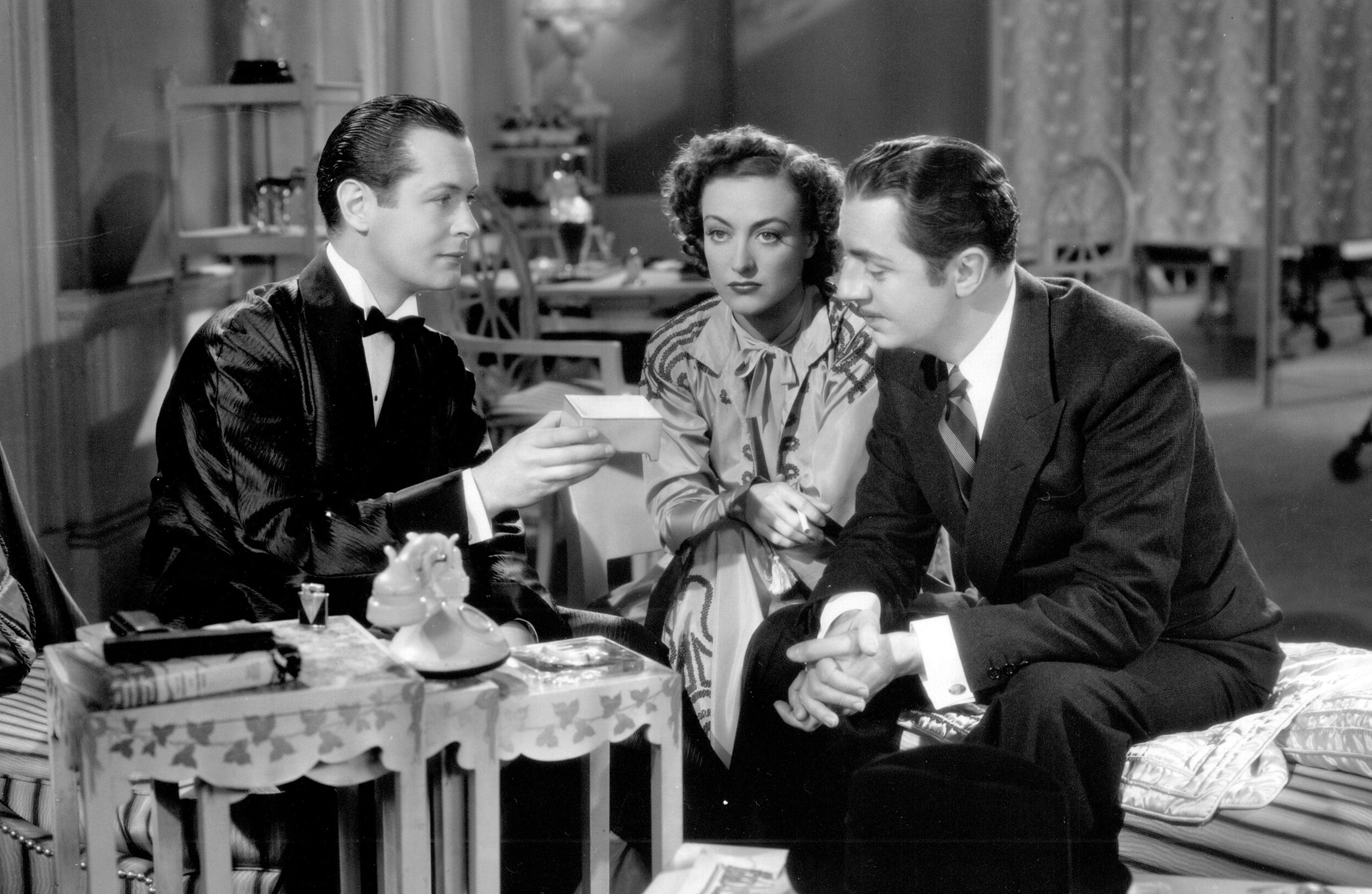
The Last of Mrs. Cheyney
Richard Boleslawski, 1937
Rating: BBB.5
Cast: Joan Crawford, William Powell, Robert Montgomery, Frank Morgan, Jessie Ralph, Nigel Bruce, Colleen Clare, Benita Hume, Ralph Forbes, Aileen Pringle, Melville Cooper, Leonard Carey, Sara Haden, Lumsden Hare, Wallis Clark, Barnett Parker
Crawford plays a wealthy widow traveling on an ocean liner from America to England who gets into the company of a group of British aristocrats after accidentally falling asleep in the wrong cabin. Arriving in England, she joins their social set and is adored by them all, particularly older gentleman Frank Morgan and young, lovestruck Robert Montgomery, who pursues her for a love affair despite the fact that she summarily rejects him. They invite her with their other friends to the country estate of a Duchess (played by a magnificently warm Jessie Ralph), because they do not know what we found out half an hour into this bright comedy: she’s not really a wealthy widow, and her fine butler (William Powell) isn’t really her servant, they’re actually members of a gang of jewel thieves who have put up this expensive display in the name of stealing the Duchess’s very expensive string of pearls. Crawford has a moral dilemma about the job because she has grown to like these people and to dislike stealing, but after the deed is done and Montgomery catches her, a whole new game is put in motion. There is a fear of public scandal for the crime’s victim, but there’s also an exploration of the meaning of true moral integrity: when it comes to corruption, a modern-day thief has nothing on old money. This film adaptation of Frederick Lonsdale’s 1925 play comes eight years after the more popular film version with Norma Shearer (and would be followed by The Lady and the Law with Greer Garson in 1951) and is rather ambivalent about its source material: trying hard to jump off the stage and become more cinematic, it is held down by a number of lengthy, static scenes that, admittedly, do have strong dialogue. The entire cast sparkles and it’s for the most part a delight, though Crawford and Montgomery’s lack of chemistry gets in the way of it really shining as a classic. Her comedic chops, well shown off in Love On The Run a year earlier, are even better displayed by material that requires her to play someone more complex and dark, though the film’s best scenes are between her and the charismatic Ralph, whose taking to her like an old friend before finding out her real intentions is where the film really hits its effortless stride.
The Shining Hour (Frank Borzage, 1938)
The Ice Follies of 1939 (Reinhold Schunzel, 1939)
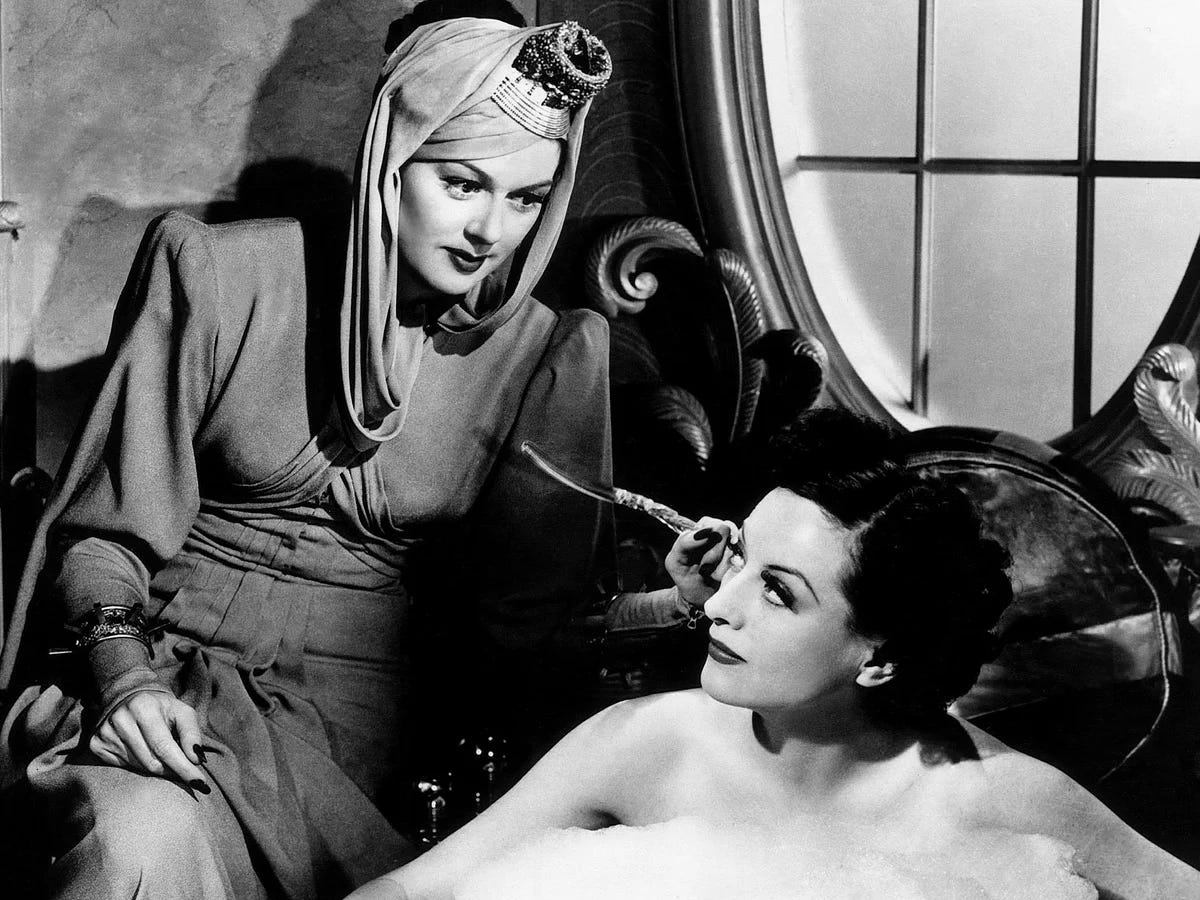
The Women
George Cukor, 1939
Rating: BBBB
Cast: Norma Shearer, Joan Crawford, Rosalind Russell, Mary Boland, Paulette Goddard, Phyllis Povah, Joan Fontaine, Virginia Weidler, Lucile Watson, Marjorie Main, Virginia Grey, Ruth Hussey, Muriel Hutchison, Hedda Hopper, Florence Nash, Cora Witherspoon, Ann Morriss, Dennie Moore, Mary Cecil, Mary Beth Hughes, Lilian Bond, Jane Isbell, Mariska Aldrich, Butterfly McQueen, Barbara Jo Allen, Judith Allen, Gertrude Astor, Marie Blake, Suzanne Kaaren, Theresa Harris, Esther Dale, Betty Blythe, Barbara Pepper, Mabel Colcord
Not a single male of the species appears on screen, but their absence inspires no end of chatter throughout this entire, delightful adaptation of the 1936 play by Clare Booth Luce. Norma Shearer plays a high-society wife who is devastated when she learns that her husband is leaving her for a perfume salesgirl (Joan Crawford), with whom he has been carrying an affair. Rosalind Russell is hysterical as the good friend who appears just in time to deliver the best lines to both parties. Crawford risks her admirable image as working girls who make good by playing a serpent-eyed homewrecker, a risk worth taking at a time when her star vehicles were failing with audiences, and it would end up being her last notable role at MGM before leaving the studio a few years later. Many have tried and most have failed to recreate the pizzazz of this film, most notably the abysmal Meg Ryan remake of 2008, but Cukor manages the balance between speedy, cutting repartee, escapist style (including a Technicolor fashion show in the otherwise black and white film) and fully rounded characters.