
The Films of Vincente Minnelli: Part 1
The New Genius In Town (1942-49)
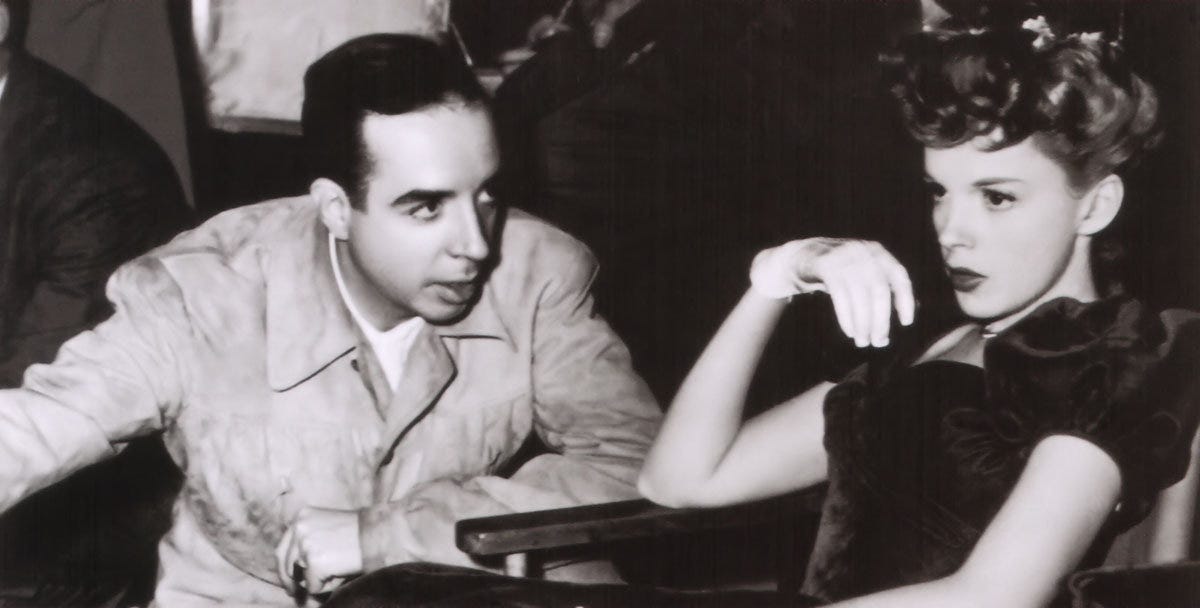
Of all the directors of Hollywood’s Golden Age who received love and admiration from the cynical Cahiers du Cinema critics writing in the sixties, few had the venerated reputation of Vincente Minnelli, who arrived in Tinseltown in the early forties after being lured away from directing Broadway musicals by Arthur Freed. Born in Chicago in 1903, Minnelli shot a few musical numbers for other directors before being given the chance to direct his own films, and quickly made his name as a master of splashy, but not frothy, entertainment. He achieved immortality with his first major hit, Meet Me In St. Louis, which also resulted in his being the husband and father of two of the most famous performers in the world, but his own achievements kept him a legend to be appreciated in his own right.
Panama Hattie
Norman Z. McLeod, 1942
Rating: B
Cast: Red Skelton, Ann Sothern, Rags Ragland, Ben Blue, Marsha Hunt, Virginia O’Brien, Alan Mowbray, Dan Dailey, Jackie Horner, Lena Horne
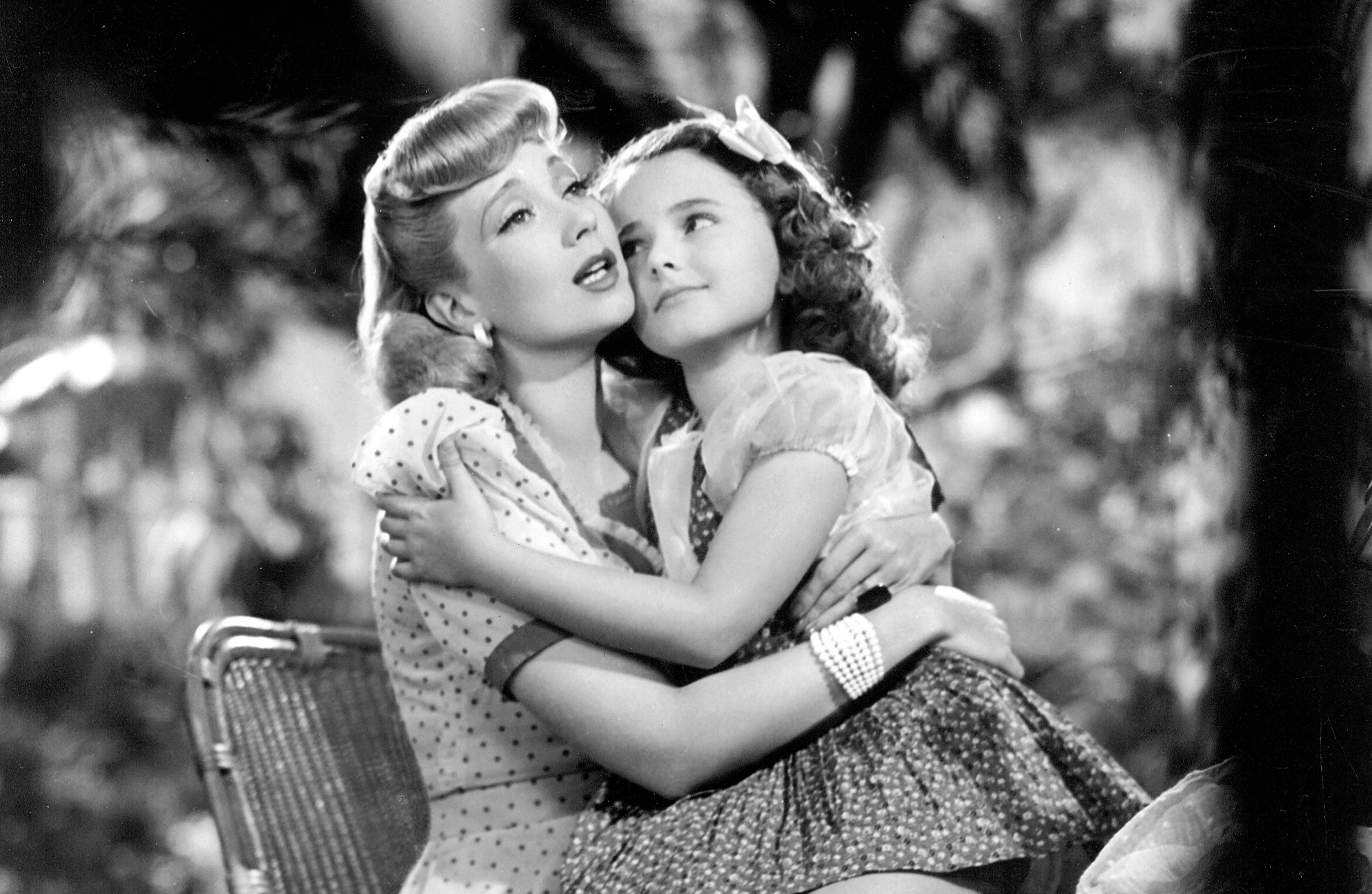
Loosely adapted from the Broadway musical of the same name but, as with many stage adaptations brought to the big screen in the forties, mostly rewritten and its score gutted. Only a few of Cole Porter’s songs remain (you can tell, because they’re the good ones) in this mess of a plot involving a tacky singer (Ann Sothern) who performs in a Panama nightclub while romancing an officer (Dan Dailey) from a fine Philadelphia family. Red Skelton, Rags Ragland and Ben Blue provide a Greek chorus of sorts as three sailors causing no end of trouble in the background, while Virginia O’Brien has an illogical boner for Dailey’s English butler Alan Mowbray, and the film flits between their adventures and Sothern’s class-mobility panic love story without ever deciding what to do about any of them. The highlight of the film is an uncredited Lena Horne making a deep impression in two numbers, and while she does a marvelous “Just One Of Those Things”, she elicits even more of our admiration for pulling off a song as bad as “The Sping” without embarrassing herself; Horne was often given parts that were designed to cause no harm to the film’s main plot when her scenes were cut out for distribution in the southern states, and this is a good example of such ridiculous bigotry (not to mention what pity one feels for an audience denied the one enjoyable aspect of this abysmal movie). Sothern is never convincing as trash, she would make a far better impression as bourgeois women in movies like A Letter To Three Wives a few years later, and her singing is passable at best, while a lengthy sequence involving the sailors smoking out sabotaging spies is an Abbott and Costello sketch that feels as if it was accidentally edited in from another movie. Minnelli made his uncredited directorial debut on a sequence shot after McLeod quit the gig.
Cabin In The Sky (1943)
Rating: BBB
Cast: Ethel Waters, Eddie “Rochester” Anderson, Lena Horne, Louis Armstrong, Rex Ingram, Kenneth Spencer, Bubbles John W. Sublett, Oscar Polk, Mantan Moreland, Willie Best, Fletcher Rivers, Leon James (dancer) Poke, Bill Bailey, Buck Ford L. Washington, Butterfly McQueen, Ruby Dandridge, Nicodemus, Ernest Whitman, Duke Ellington and his Orchestra, The Hall Johnson Choir
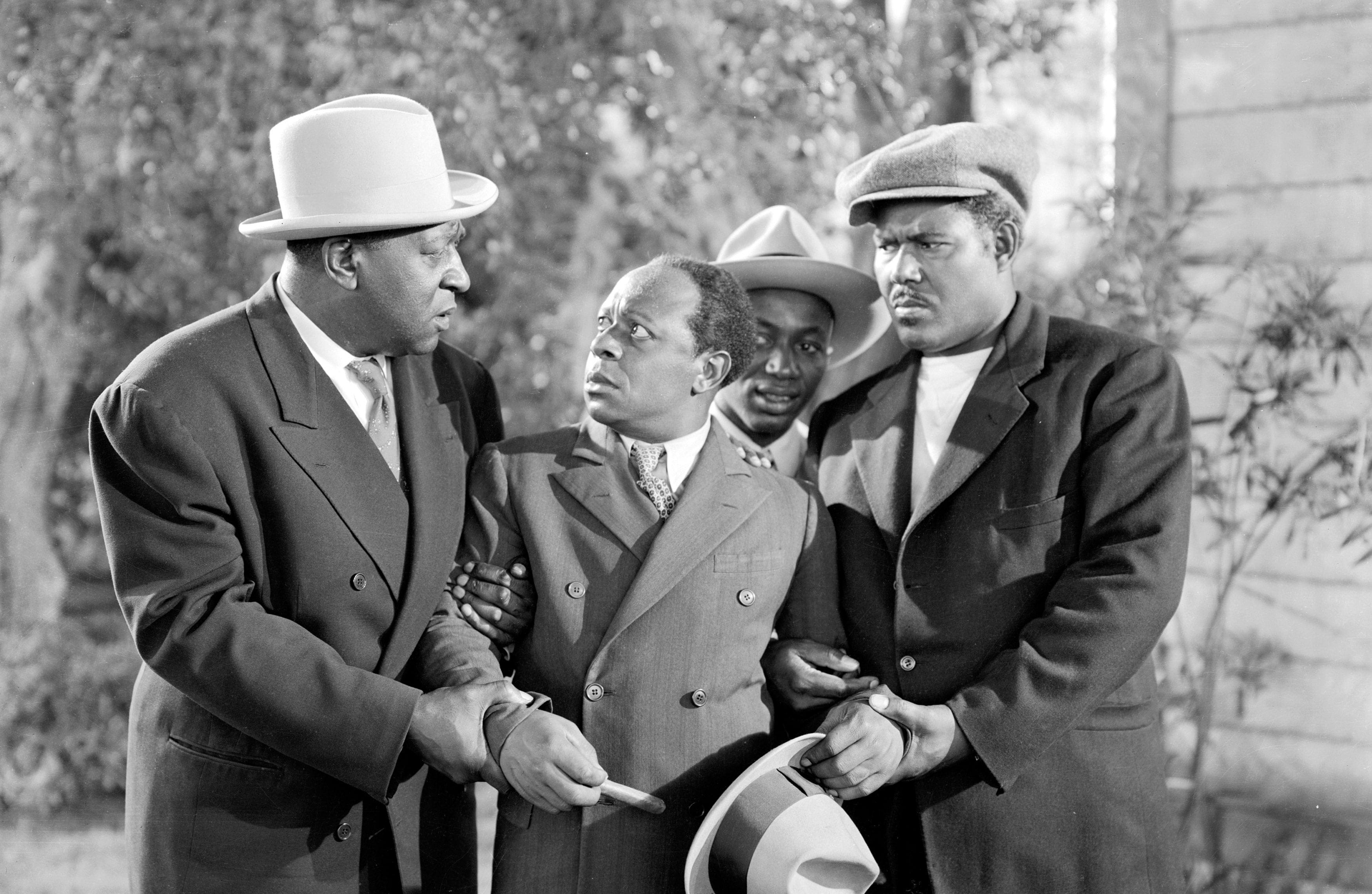
Constantly disappointing his wife with his wayward gambling ways, a man has a near-death experience and is sent back to Earth after God and the Devil make a bargain to see who can win his soul in six months. The characterizations of African-Americans are woeful (to say the least), but Minnelli’s feature directorial debut shows him already able to smooth off the roughest corners of any script, and the generous excuses for Ethel Waters to perform numbers with that gorgeously clear voice of hers make it easily worth watching.
I Dood It (1943)
The Heavenly Body (1944)
Meet Me In St. Louis (1944)
Rating: BBBBB
Cast: Judy Garland, Margaret O’Brien, Mary Astor, Lucille Bremer, Leon Ames, Tom Drake, Marjorie Main, Harry Davenport, June Lockhart, Henry H. Daniels Jr., Joan Carroll, Hugh Marlowe, Robert Sully, Chill Wills, Dorothy Tuttle
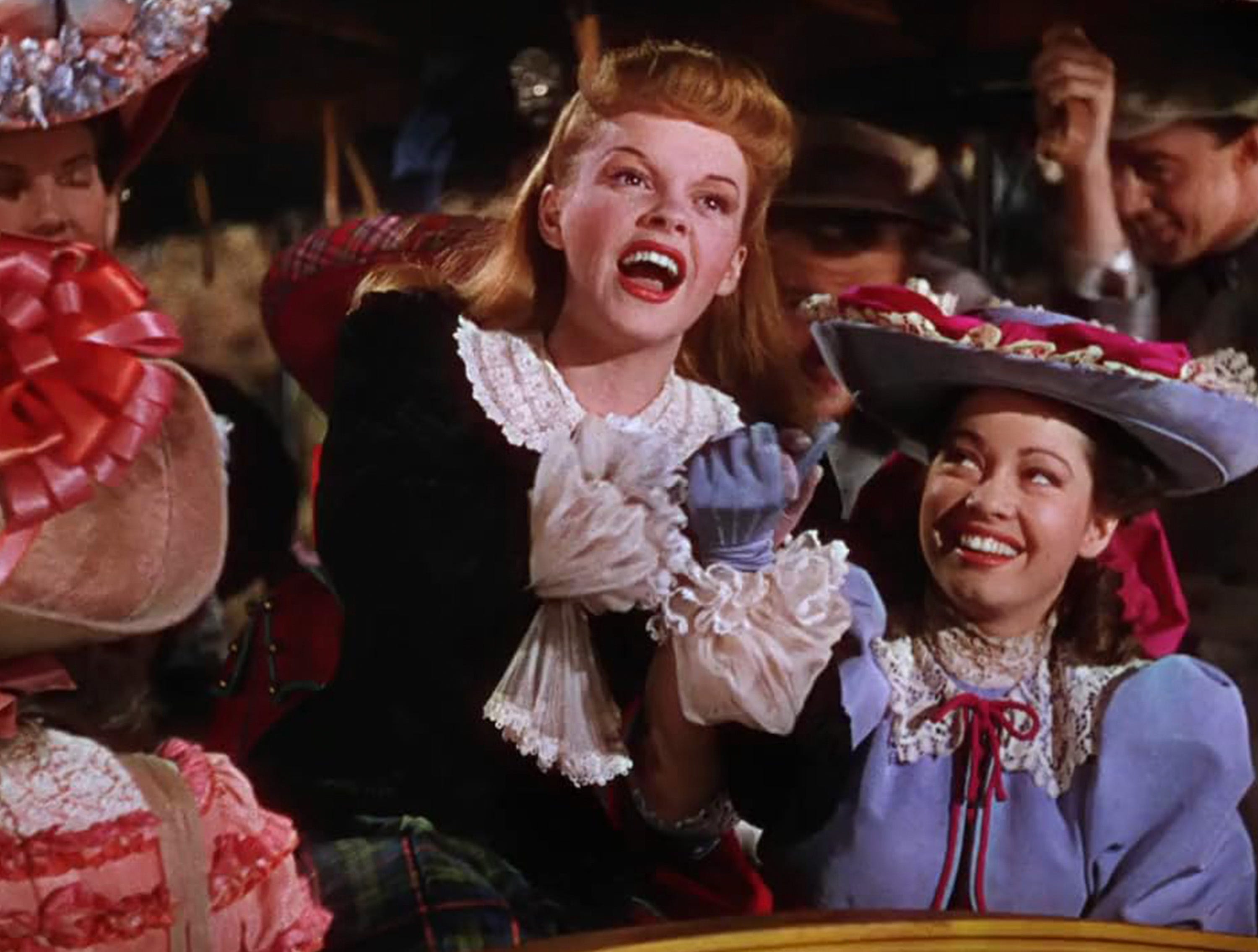
The apex of good family viewing is this heartwarming and colourful musical, which remained MGM’s biggest hit for years. Minnelli’s soon-to-be-wife Judy Garland is wonderful as Esther Smith, a teenaged girl in turn-of-the-century St. Louis who is in love with John Truitt (Tom Drake), the boy next door: literally! Lucille Bremer, Leon Ames, Mary Astor, Margaret O’Brien and Harry Davenport play other members of the Smith clan, whose many trifles and tribulations seem light but are never unimportant as Minnelli directs with a careful touch, never allowing the film to become too syrupy or lost in its own happy goo. Musical numbers are all brilliant, the most memorable being “The Trolley Song” and the “Skip To My Lou” party sequence. Garland didn’t want to play a teenager, as she felt it held her back from the adult roles she was just starting to get at MGM (like Girl Crazy), but this one ended up being one of her most remembered and beloved performances.
The Clock (1945)
Under the Clock
Rating: BBB
Cast: Judy Garland, Robert Walker, James Gleason, Keenan Wynn, Marshall Thompson, Lucile Gleason, Ruth Brady
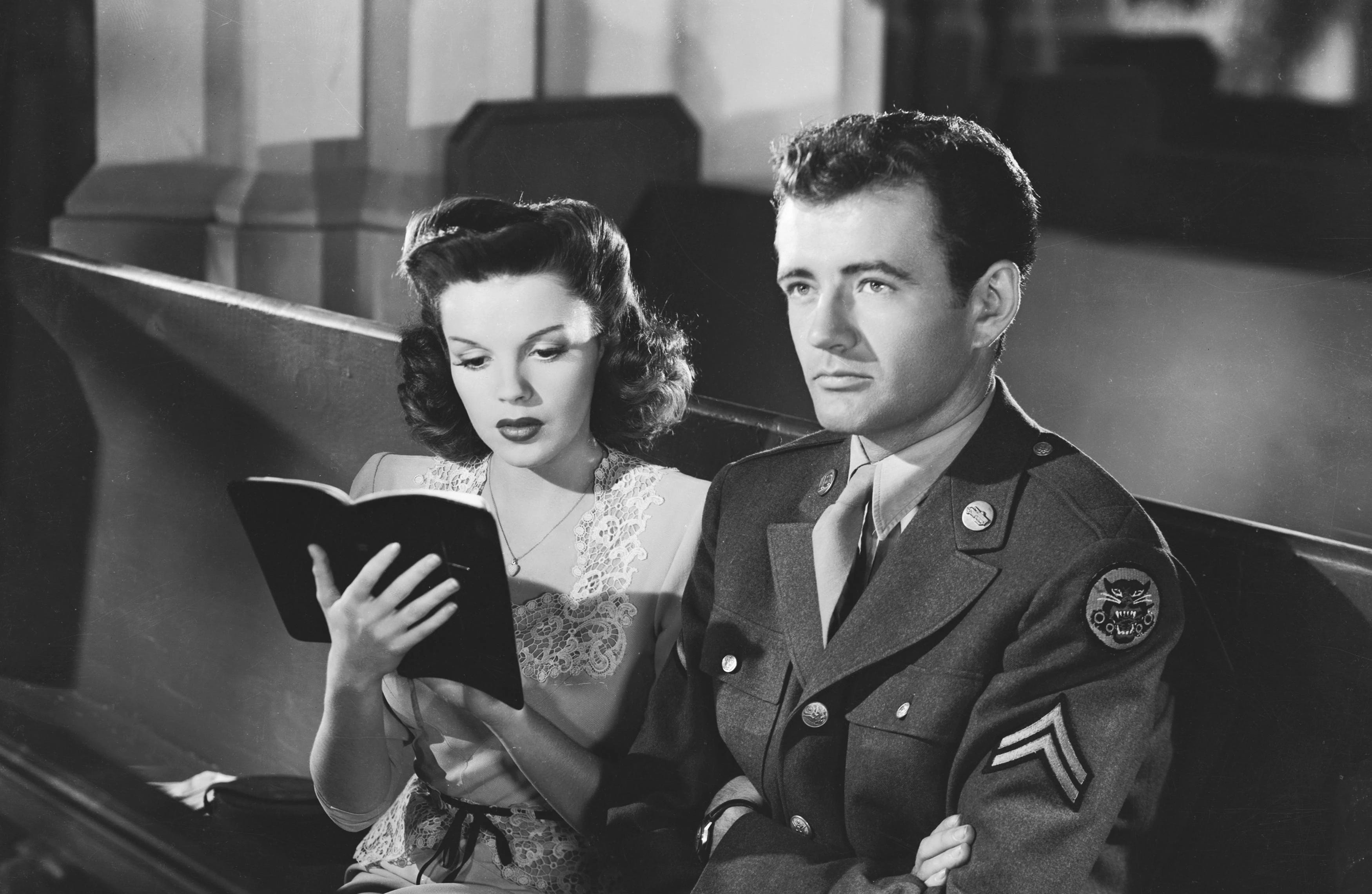
Judy Garland in her first non-musical film, a drama directed by her then-husband Minnelli. She plays a Manhattan office girl who meets soldier Robert Walker while he’s on his two-day leave from the army. During the course of his time in the Big Apple, he stumbles into Judy, they have a date, fall in love and get married, only to wake up on the morning after their nuptials to realize that they’ve only just met, and everything that that entails. Lovingly directed, with tender little moments that make it all worthwhile, this is one for Garland to have been truly proud of. Features a terrific supporting performance by Keenan Wynn and small appearances by James and Lucile Gleason.
Ziegfeld Follies (1945)
also directed by Lemuel Ayers, Roy Del Ruth, Robert Lewis, George Sidney
Rating: BBB.5
Cast: William Powell, Fred Astaire, Lucille Ball, Lucille Bremer, Fanny Brice, Hume Cronyn, William Frawley, Judy Garland, Kathryn Grayson, Lena Horne, Gene Kelly, James Melton, Victor Moore, Red Skelton, Esther Williams, Edward Arnold, Virginia O’Brien, Cyd Charisse, Keenan Wynn
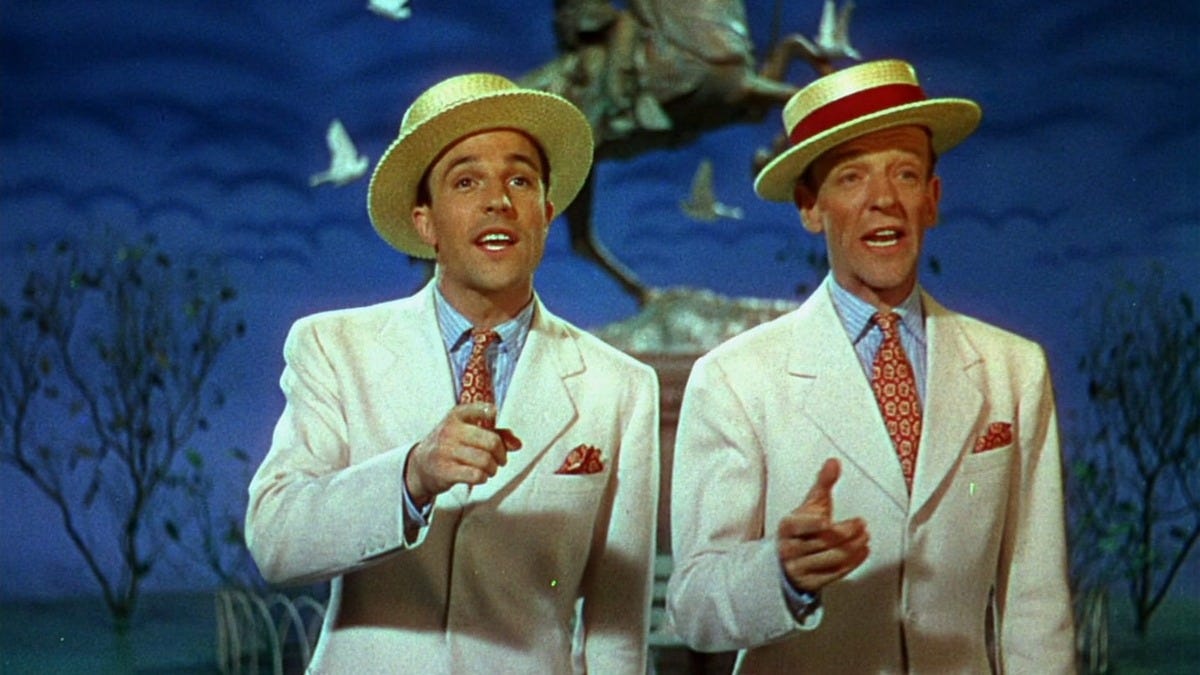
Excuses to create greatest hits packages involving stars in featured numbers were popular film fare in the forties, the sort of thing that would later morph into variety shows in the seventies (and could be linked to the talent-based reality shows today). MGM puts a great deal of star quality and production value in this fitfully charming show that begins when Florenz Ziegfeld (William Powell, recreating his role from the Oscar-winning film about the famed impresario almost a decade later) looks down from heaven and wishes he could create one more Follies, the popular revues he staged between 1907 and 1932. Which of today’s stars would he employ if he were to do one more, he wonders, and from there proceeds one clip after another, some of them musical numbers, some of them comedy skits and, the most popular one, involving Judy Garland doing both. Fred Astaire and Lucille Bremer doing a dance number called Limehouse Blues is marred by a cast in yellowface and it’s a shame, as it’s best section of the whole thing, stunningly photographed and choreographed. Garland is hilarious in a parody of Greer Garson preparing to film the life story of “Madame Crematon, inventor of the Safety Pin” and, while the chance to see actual Ziegfeld star Fanny Brice is a real gift, it’s a shame that her skit isn’t better. Even less entertaining is an annoyingly dated bit by Red Skelton, and it’s a tragedy that the one time we get Astaire and Gene Kelly on screen together in Hollywood’s golden age is a number as dull as the one they come up with (a corny chestnut called The Babbit and the Bromide). Other highlights include a dance solo by the great Cyd Charisse and a stunning Lena Horne singing Love by Martin and Blane, but the effect of the film overall isn’t up to the sum of its parts.
Yolanda And The Thief (1945)
Undercurrent (1946)
Till The Clouds Roll By (1946)
Directed by Richard Whorf
Rating: BB.5
Cast: Robert Walker, June Allyson, Lucille Bremer, Judy Garland, Kathryn Grayson, Van Heflin, Lena Horne, Dorothy Patrick, Van Johnson, Tony Martin, Dinah Shore, Frank Sinatra, Gower Champion, Cyd Charisse, Angela Lansbury, Ray McDonald, Virginia O’Brien, Mary Nash, Joan Wells, Harry Hayden, Paul Langton, Paul Maxey
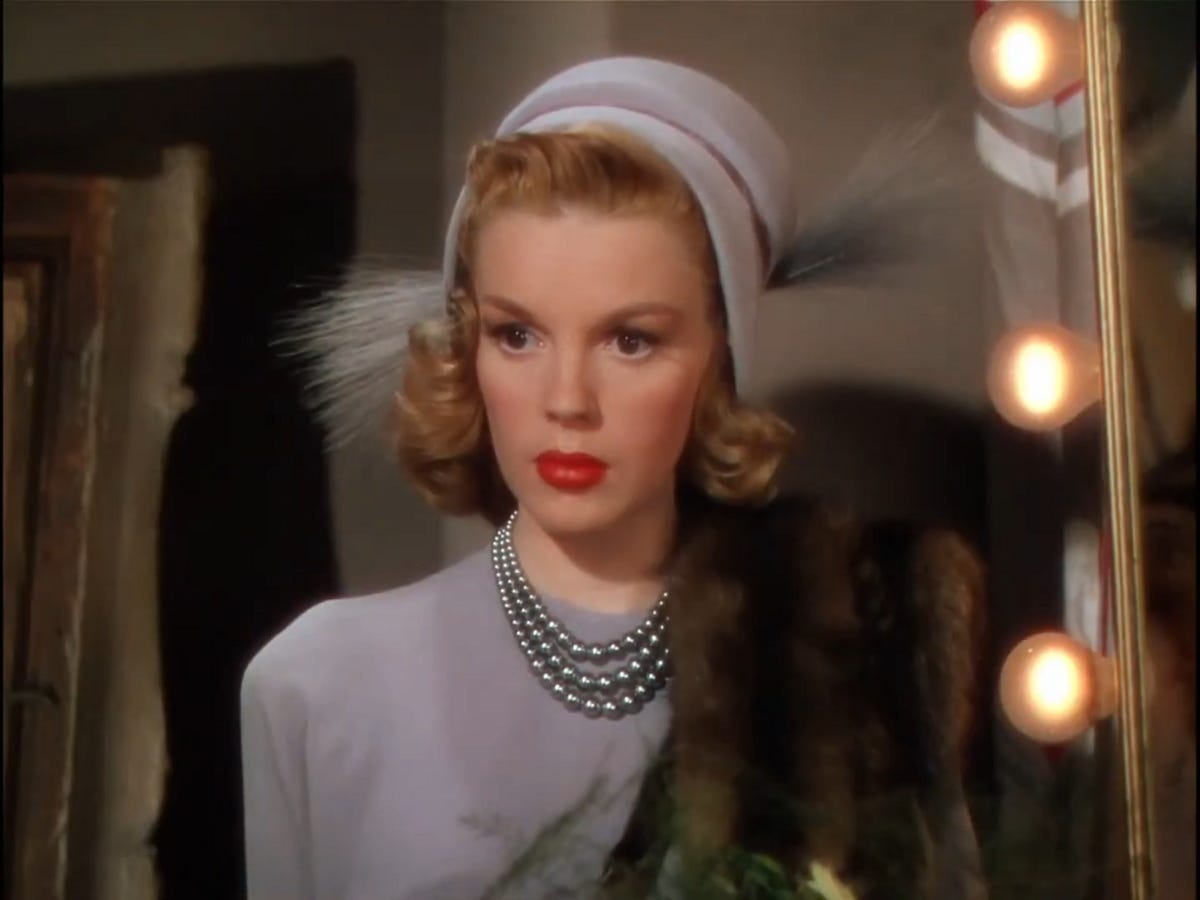
Even the most die hard musical fans will find themselves growing tired of the endless song selections in this biopic of songwriter Jerome Kern. Kern is responsible for some of the most beautiful melodies in American stage musical history, and the best of them are featured here (’The Last Time I Saw Paris’, ‘Can’t Help Loving Dat Man Of Mine’, etc.), but the biographical story behind them is so undeniably reduced, and what is left has been so whitewashed and cleaned up that it doesn’t seem to resemble a real person’s life story at all. Robert Walker plays Kern, with Van Heflin doing a bang-up job playing his best friend and lyricist James Hessler. MGM dragged out just about every one of its biggest stars to make cameo appearances, including Lena Horne playing Julie in Show Boat, Angela Lansbury as a London singer, Frank Sinatra singing “Old Man River” and Judy Garland as Marilyn Miller, performing two classic numbers directed by Minnelli: ‘Who’ and ‘Look For The Silver Lining’ (in which her pregnancy with future superstar Liza is hidden by stacks of dishes placed directly in front of her).
The Pirate (1948)
Rating: BB.5
Cast: Judy Garland, Gene Kelly, Walter Slezak, Gladys Cooper, Reginald Owen, George Zucco, The Nicholas Brothers, Lester Allen, Lola Deem, Ellen Ross, Mary Jo Ellis, Jean Dean, Marion Murray, Ben Lessy, Jerry Bergen, Val Setz, Gaudsmith Brothers, Cully Richards, Dorothy Tuttle
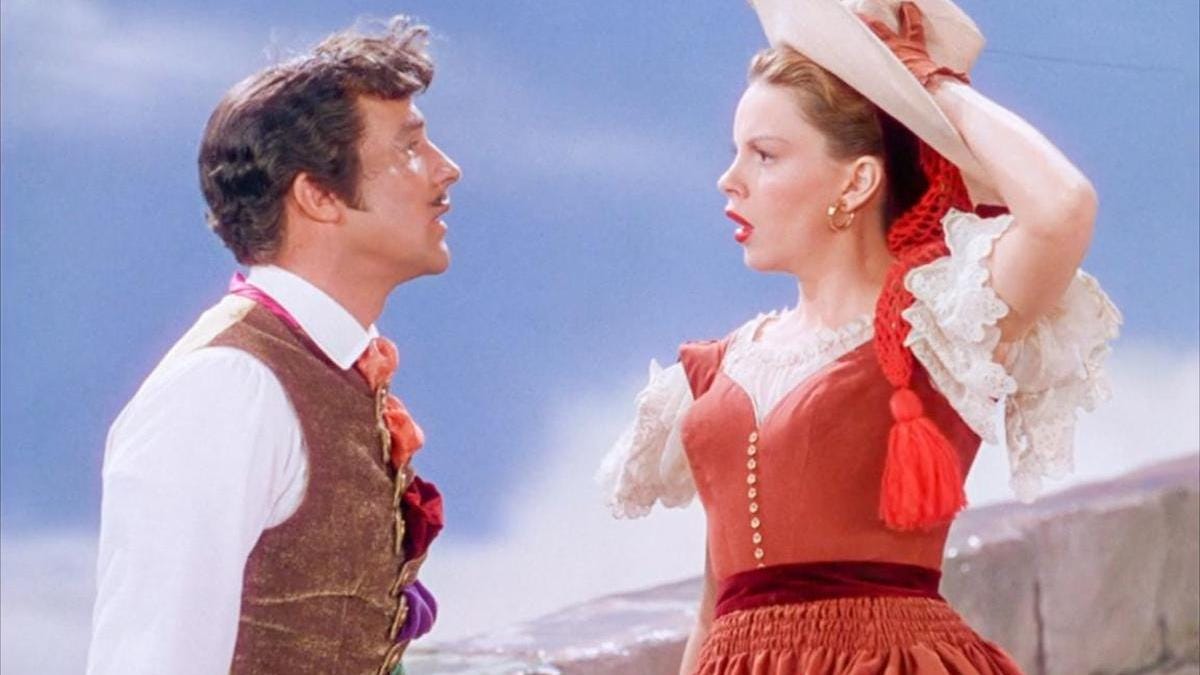
The same year Garland triumphed in Easter Parade, she also had one of her biggest bombs with this Minnelli misfire, which features her and the rest of the white cast painted a darker shade to play Spanish colonists on a Caribbean island. Her Manuela is betrothed to the blubbery mayor of their town (Walter Slezak), but she daydreams about being kidnapped by the famed pirate Macoco, which she reveals to a traveling player (Gene Kelly) without realizing that he is the man himself. The colour cinematography is one of the finest examples of Minnelli’s pictorial command, and Kelly’s thighs in those tights can still overheat the film projector, but the film suffers from a constant ambivalence over its tone, played with the sincerity of a children’s fairy tale but using a slate of lesser-quality songs by Cole Porter that wink ironically to a grown audience. Garland’s performance, which seems like it is constantly suppressing her naturally sarcastic humour, comes off deeply confused in spirit. Even though her life behind-the-scenes was in constant turmoil (in this case, she was working too soon after the birth of her daughter Liza and showing increased reliance on prescription medication), she doesn’t sing a wrong note or make a bad step.
The Bribe (1949)
Madame Bovary (1949)
Rating: BBB.5
Cast: Jennifer Jones, Van Heflin, Louis Jourdan, Christopher Kent, Gene Lockhart, Frank Allenby, Gladys Cooper, John Abbott, Henry Morgan, George Zucco, Ellen Corby, Eduard Franz, Henri Letondal, Frederic Tozere, Paul Cavanagh, James Mason, Esther Somers, Dawn Kinney, Larry Simms, Vernon Steele
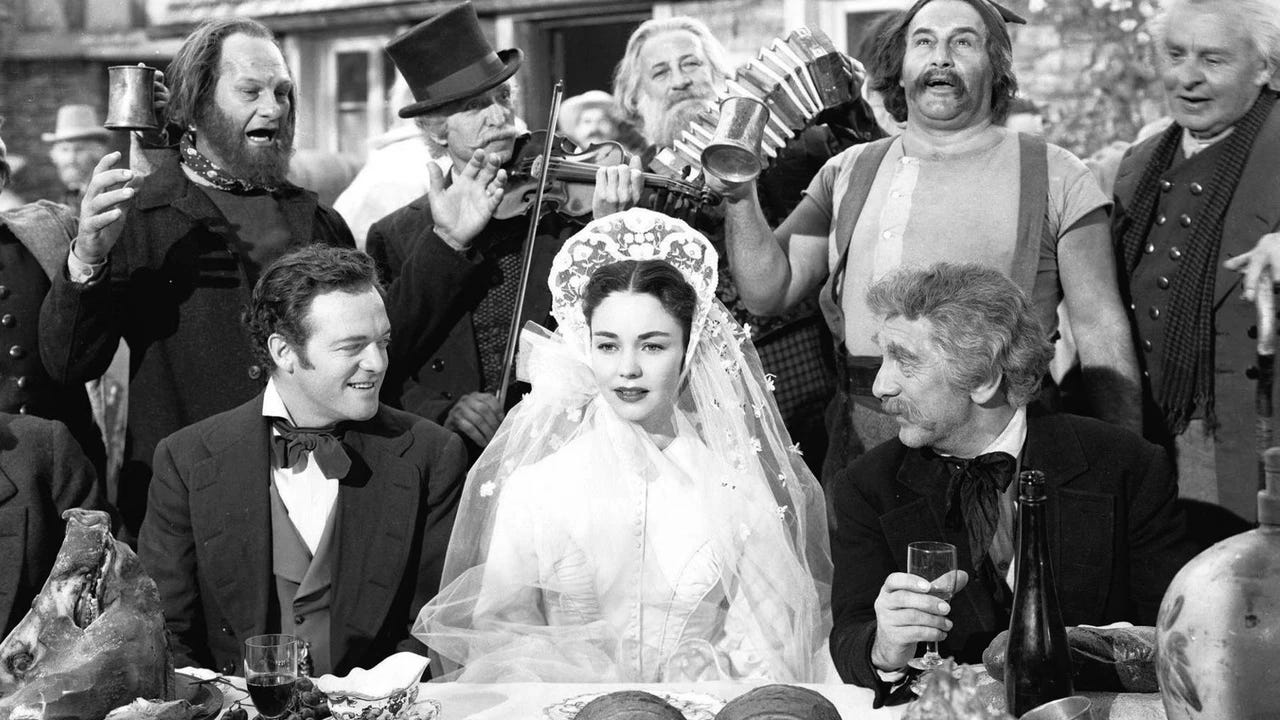
Minnelli’s sumptous adaptation of the classic Gustave Flaubert novel suffers when it opens and closes with Flaubert himself (played by James Mason) defending his work in a public courtroom. Presumably this was to give forties film audiences a chance to understand the original novel in its historical context, but it was probably also a way to assuage viewers that in case they didn’t enjoy watching a movie that glorified an adulteress, there were other “decent” folk out there like them who felt the same way. Jennifer Jones gives one of her more bearable performances as the headstrong, frivolous teenager who practically destroys her entire world when the dreams she conjured up in her childhood bedroom are nowhere near the reality that she discovers upon her youthful marriage to a provincial doctor (Van Heflin). To overcome her frustration and boredom with being a country wife, she takes on a lover (Louis Jourdan) in the hopes of running off with him. If you can handle the melodramatic story, you’ll enjoy some of the more inspired visual sequences that were created by Minnelli’s exceptional skill: the ballroom dance complete with the smashing of windows to cool its guests down is a classic, as is the climactic moment where Jones awaits her lover’s carriage that she hopes is coming to take her away forever. The 1991 remake with Isabelle Huppert by Claude Chabrol is far superior.