
The Films of Billy Wilder: Part 4
The Exiled Genius (1964-1981)
The production delays on Kiss Me Stupid weren’t helped by the (inflated) controversy over its content, which was further compounded by its failing to find an audience, and Wilder would never again have an easy time getting a film made. The Fortune Cookie, which is significant for being the first on-screen teaming of Matthau and Lemmon, was a hit, as was his reteaming with them ten years later for The Front Page, but his passion projects such as Sherlock Holmes and Fedora were heavily compromised and failed to connect. He planned for the latter to be his final film, but when he was given the opportunity to direct Lemmon and Matthau in one more comedy he took it, and it ended up being his last completed film. For years, he owned the rights to Thomas Kenneally’s book Schindler’s Ark and hoped to adapt it into a film that would connect his career to his own personal experience of loss in the Holocaust, but it never materialized. He eventually gave the project to Steven Spielberg, who turned it into the Oscar-winning classic Schindler’s List, while Wilder turned to art collecting as a focus, staging an exhibition in 1993 and remaining a popular and public figure until his death in 2002 at the age of 95.
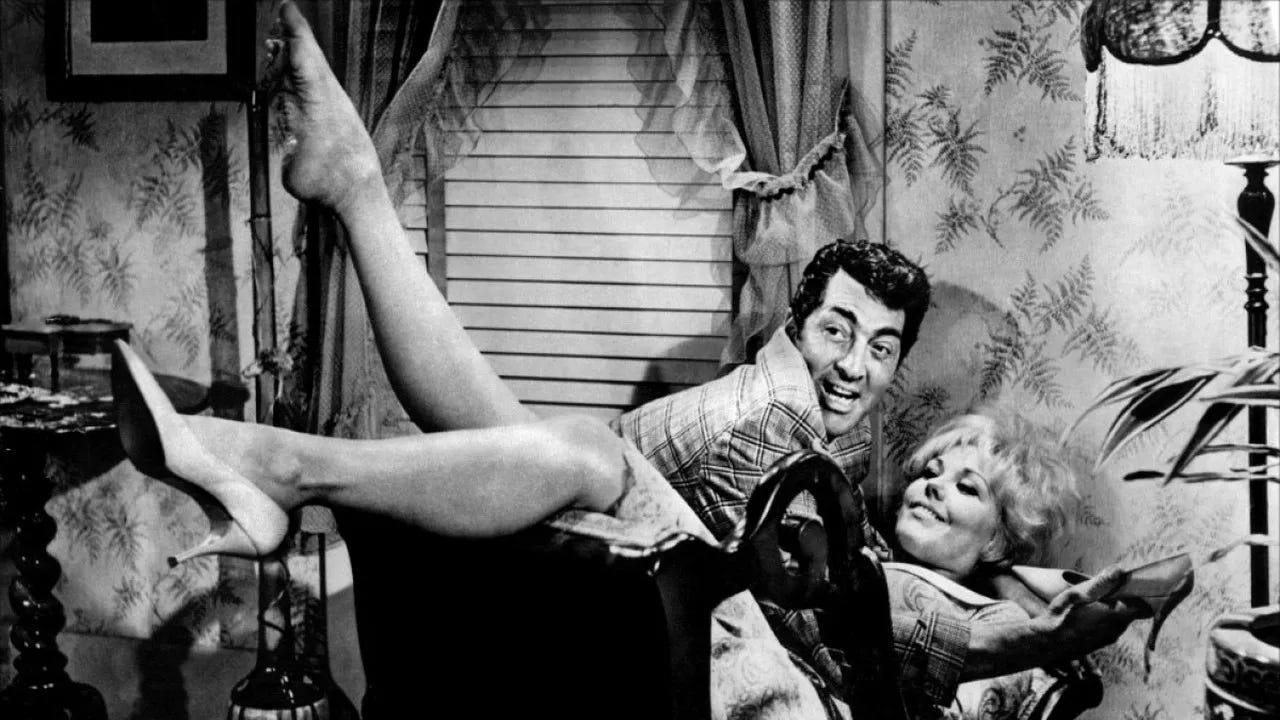
Kiss Me, Stupid (1964)
Rating: BB.5
Cast: Dean Martin, Kim Novak, Ray Walston, Felicia Farr, Cliff Osmond, Barbara Pepper, Doro Merande, Tommy Nolan, Alice Pearce, John Fiedler, Howard McNear, Cliff Norton, Mel Blanc, Henry Gibson
Wilder called this film the beginning of the end for him, as its failure at the box office and condemnation by religious authorities narrowed down his freedom to get future projects off the ground. As with most films that caused moral outrage before the summer of love, it’s hilariously tame today, a silly tale based on an Italian theatrical sex face called L’Ora Della Fantasia (The Dazzling Hour) by Anna Bonacci, previously made as a 1952 film called Wife for a Night with Gina Lollobrigida. Dean Martin plays a caricatured version of himself (“Dino!”) who stops for gas in a dusty Arizona town and is immediately recognized by the station attendant Barney (Cliff Osmond), who is moonlighting as a songwriter with music teacher Orville (Ray Walston). Orville is married to Zelda (Felicia Farr) and jealous of her every move, which becomes a problem when he and Barney convince Dino to stick around town (by messing with his car) in order to convince him to buy their songs. Fearful of Dino’s reputation with the ladies, Orville provokes a fight with Zelda in order to get her to leave town and hires a waitress from the local saloon named “Polly the Pistol” (Kim Novak) to pose as his wife while Dino is staying in his guest room. Naturally, the complications are many and the bedroom doors slam excessively.
The project was delayed by Marilyn Monroe’s death, for whom the role of Polly was intended, and Peter Sellers’ heart attack prevented him from playing Orville (“You need a heart to have a heart attack!” Wilder said when he heard). By the time cameras were ready to roll, the likes of Jack Lemmon and Danny Kaye were no longer interested, leaving Wilder with a cast he didn’t really want and they all perform as if they know it.
It’s a charming idea for a farce but it plays things broadly and moves far too slowly, everyone in it is talented but there’s a spark that’s missing. It doesn’t help that Wilder is so honest about what’s really happening (we are left in no doubt as to what Polly’s being a “waitress” means) that it saps a great deal of humour that this kind of comedy relies on (censorship, after all, was what gave birth to screwball comedy, and no one has ever laughed at a Single Entendre). Marked as “Condemned” by the Catholic Legion of Decency and publicly denounced by no less a former collaborator than Barbara Stanwyck, Wilder’s take on America’s hypocritical obsession with performed versus real goodness is as bitter as Ace In The Hole but not nearly as sharp.
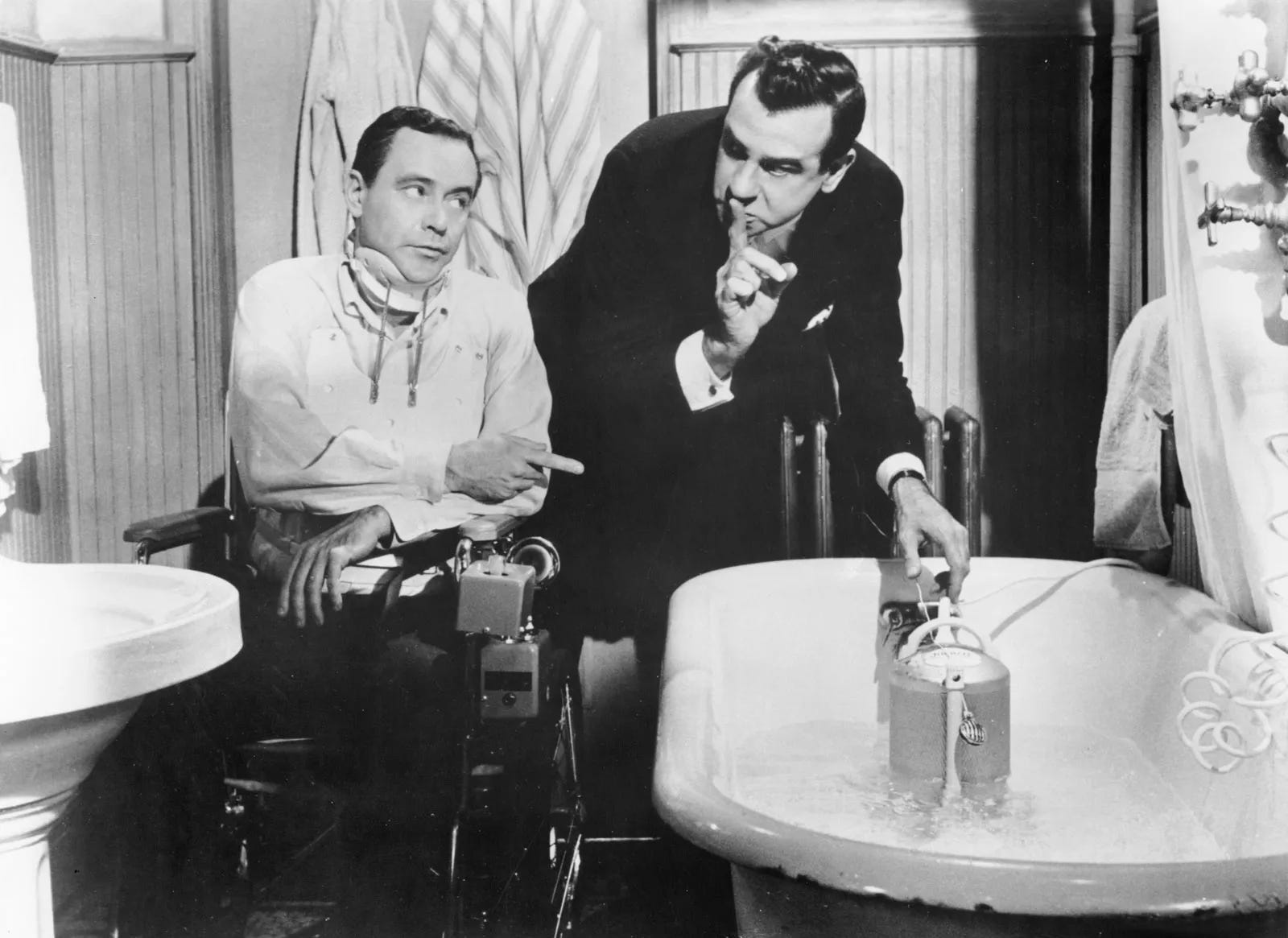
The Fortune Cookie (1966)
Rating: BBBB
Cast: Jack Lemmon, Walter Matthau, Ron Rich, Judi West, Cliff Osmond, Lurene Tuttle, Harry Holcombe, Les Tremayne, Lauren Gilbert, Marge Redmond, Noam Pitlik, Keith Jackson, Harry Davis, Ann Shoemaker, Ned Glass, Sig Ruman, Archie Moore, Howard McNear, William Christopher, Dodie Heath
This was the first time that Jack Lemmon and Walter Matthau were teamed up on screen, and from this point on a legendary cinematic pairing was born. Lemmon plays an unhappily married business man who is persuaded by his money-grubbing brother-in-law to play up a minor injury into a major lawsuit that they could both strike it rich on. The comedy these two produce between them far outweighs anything that Wilder can come up with as either writer or director, but that isn’t necessarily a criticism. Think of it as a younger, less popular sibling to The Apartment. Matthau won a Best Supporting Actor Oscar for his performance.
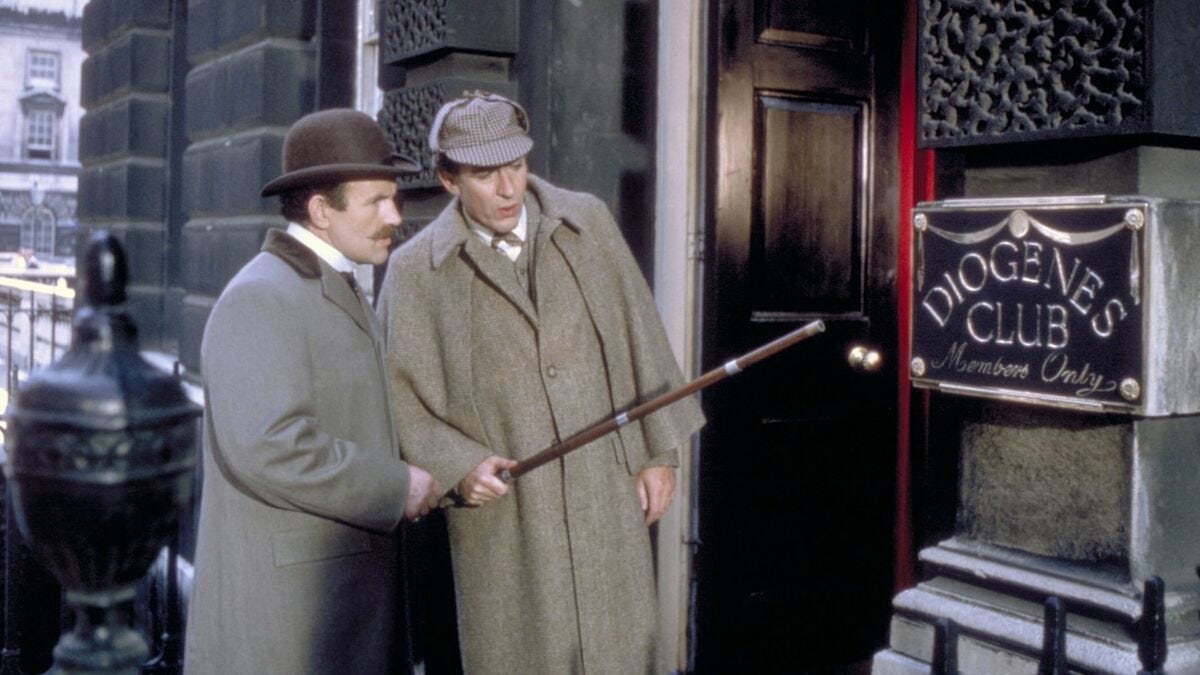
The Private Life of Sherlock Holmes (1970)
Rating: BBB
Cast: Robert Stephens, Colin Blakely, Irene Handl, Stanley Holloway, Catherine Lacey, Christopher Lee, Geneviève Page, Clive Revill, Tamara Toumanova, Mollie Maureen, Peter Madden, Michael Balfour, James Copeland, Alex McCrindle, John Garrie, Godfrey James, Frank Thornton, Robert Cawdron, Paul Hansard
Robert Stephens and Colin Blakely are terrific as the ever-famous Sherlock Holmes and Dr. Watson, character creations of Arthur Conan Doyle who have been intoxicating readers with their sleuthing for more than a century. In this adventure, Holmes is enveloped into the mystery of a missing man after his wife (Geneviève Page) is nearly killed. The trail leads to such strange places as a Scottish castle and the appearance of the Loch Ness monster! It should be boatloads of fun, but the pace is sluggish and the film takes forever to get going, employing an overdone widescreen style that is better suited to a bloated Hollywood musical than a zippy murder mystery. Wilder originally intended the film to be an epic adventure with multiple plots, and the eventual debacle that occurred in the editing room is likely the reason why the end result is such a mess.
Avanti (1972)
Rating: BB.5
Cast: Jack Lemmon, Juliet Mills, Clive Revill, Edward Andrews, Gianfranco Barra, Franco Angrisano, Franco Acampora, Giselda Castrini, Pippo Franco, Giacomo Rizzo, Antonino Faà di Bruno, Yanti Somer and Janet Agren, Raffaele Mottola, Harry Ray, Ty Hardin, Sergio Bruni
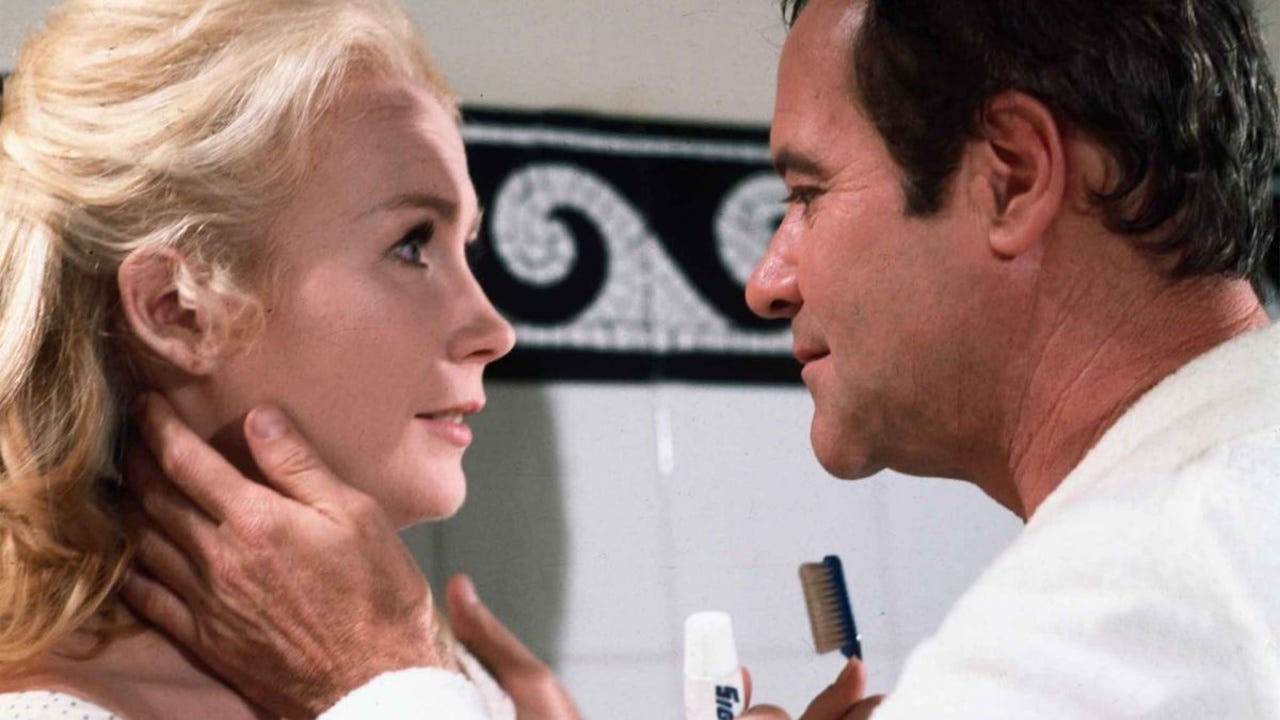
Jack Lemmon shows up in Ischia, Italy feeling exasperated and upset, having arrived to collect the remains of his father who died in an automobile accident. In trying to arrange for the body to be shipped home in time for the funeral, he encounters a country with three hour lunches and endless swirls of bureaucracy that make his task very difficult to accomplish, but even more upsetting is the presence of a delightful Juliet Mills, who informs him that her mother died in the same car accident because she was his father’s mistress. Stuck in paradise and forced to listen to this woman endlessly prattle on, Lemmon’s constant shouting eventually settles in and learns to soak up the surroundings, realizing that what he thought was an ambitious can-do American attitude is actually workaholic misery that is missing the most that life has to offer.
Wilder previously adapted a Samuel Taylor play when he made the still beloved Sabrina in 1954, the changes to which incensed Taylor so much that he quit collaborating on the screenplay before cameras began rolling; all seems to be forgiven enough to give the director a chance at adapting him again, but Taylor’s focus on American corporate mentality confusing or (in this case) poisoning the enjoyment of life, while completely ignored in Wilder’s version of Sabrina, is not exactly given centre stage here either. Wilder is far more interested in comedy antics and romantic indulgence, mixing in some touches of Italian sex comedy (including gratuitous breasts and truly unnecessary glimpses of Lemmon naked) that fall flat thanks to a ridiculously generous running time (it’s a ninety minute movie spread out over one hundred and forty minutes) and the complete lack of chemistry between the stars.
Mills’ character has a ridiculous ongoing obsession with her weight that is meant to be her lesson to not sweat the small stuff, but even when factoring in Mills gaining twenty pounds to play the character and the fact that these things are usually a personal hangup not based on any objective assessment, it’s absolutely impossible to believe that she would feel in the least bit self-conscious about being so luscious.
It looks lovely, but sitting through it is a genuine challenge.
The Front Page (1974)
Rating: BBB.5
Cast: Jack Lemmon, Walter Matthau, Susan Sarandon, Vincent Gardenia, David Wayne, Allen Garfield, Charles Durning, Herb Edelman, Austin Pendleton, Carol Burnett, Martin Gabel, Harold Gould, John Furlong, Jon Korkes, Cliff Osmond, Paul Benedict, Lou Frizzell, Dick O’Neill, Noam Pitlik, Doro Merande, Biff Elliot, Barbara Davis
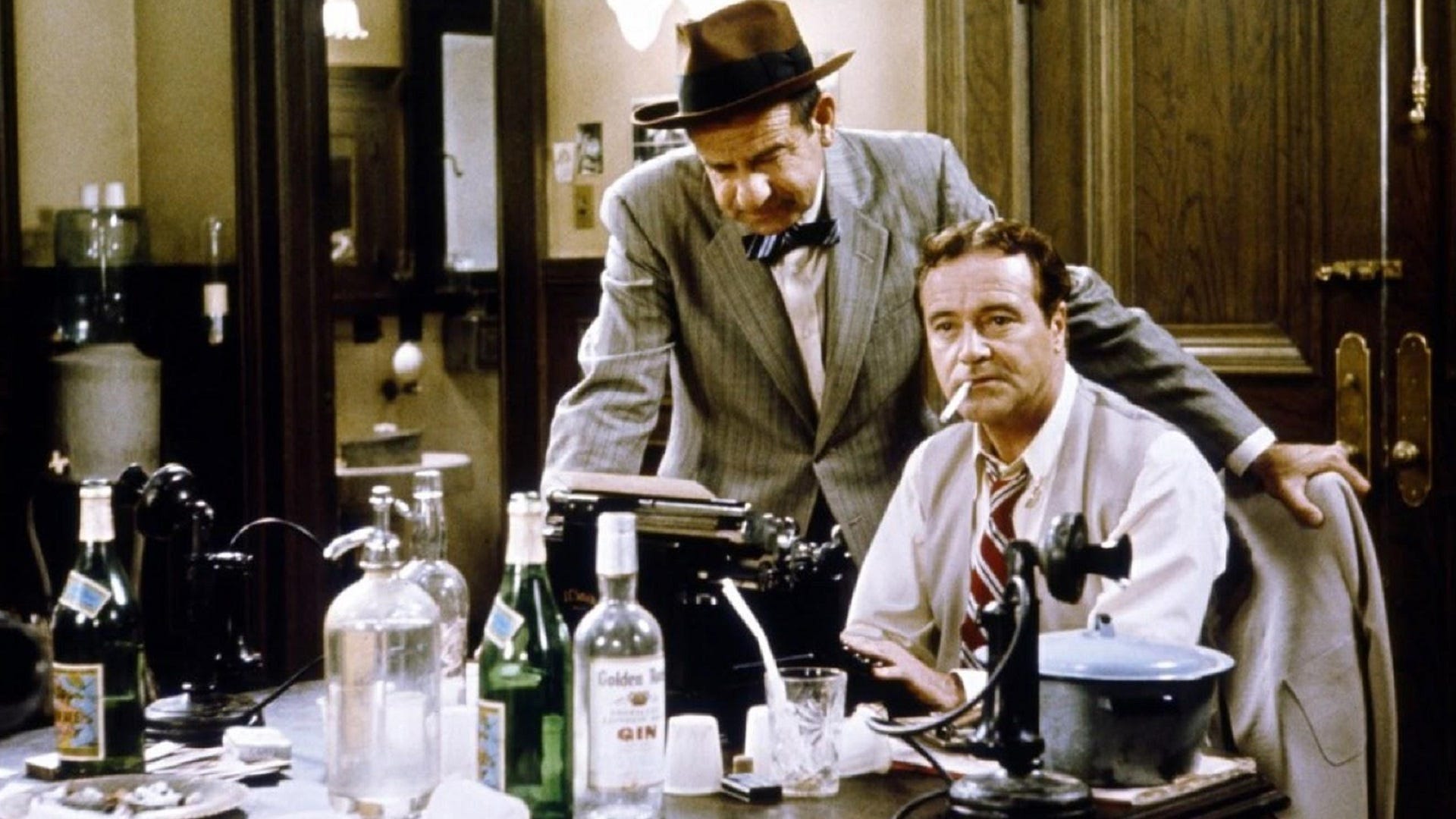
Wilder reunites with his Fortune Cookie stars for a remake of Ben Hecht’s much-lauded play, closer to the Lewis Milestone version than the gender-bending remake by Howard Hawks (called His Girl Friday). This time it’s Walter Matthau as the conniving editor who knows that his ace reporter Jack Lemmon is about to get married (to Susan Sarandon) and take a job in the cushier world of advertising, but he is determined to keep him from quitting. First, he tries to manipulate the situation by telling Sarandon that Lemmon is wanted on a sex offender charge, but when that fails, he pulls out all the stops and goes for something he knows his friend can’t resist: this is all happening on the day of the planned execution of an accused, possibly innocent murderer (Austin Pendleton), who then escapes before being gassed and finds his way into the courthouse’s press room overlooking the gallows. What reporter can avoid such a good story when they know they’re the only one who can write it properly?
The period details are rich and comforting, and the dialogue just zings by in Wilder and I.A.L. Diamond’s expert adaptation of Hecht’s play, though their keeping it to a mostly stagebound setting won’t work for all viewers and might come across a bit stifled (the film’s recent appearance in one of the funniest scenes in Dolemite Is My Name is wholly appropriate). Carol Burnett appears in a supporting role as a maligned sex worker who speaks out against the dishonesty of the journalists who have been so unkind to her; following its release she was very critical of her own performance, feeling she hadn’t given it enough preparation and she’s only halfway right about it. Burnett is too talented to be bad in anything, but there is a sense that she’s not sure if she’s playing a real person or taking part in a farcical caricature (which is actually Wilder’s problem, not hers). The film is more generous to her, though, than it is to Sarandon, who is completely dampened by her role as the ingenue and barely makes an impression.
Matthau and Lemmon show off the crackling chemistry that would serve them so well in their ten movies together, and their fans will have a great time watching this one.
Fedora (1978)
Rating: BB.5
Cast: William Holden, Marthe Keller, Hildegard Knef, José Ferrer, Frances Sternhagen, Mario Adorf, Stephen Collins, Gottfried John, Hans Jaray, Michael York, Henry Fonda, Arlene Francis, Ferdy Mayne
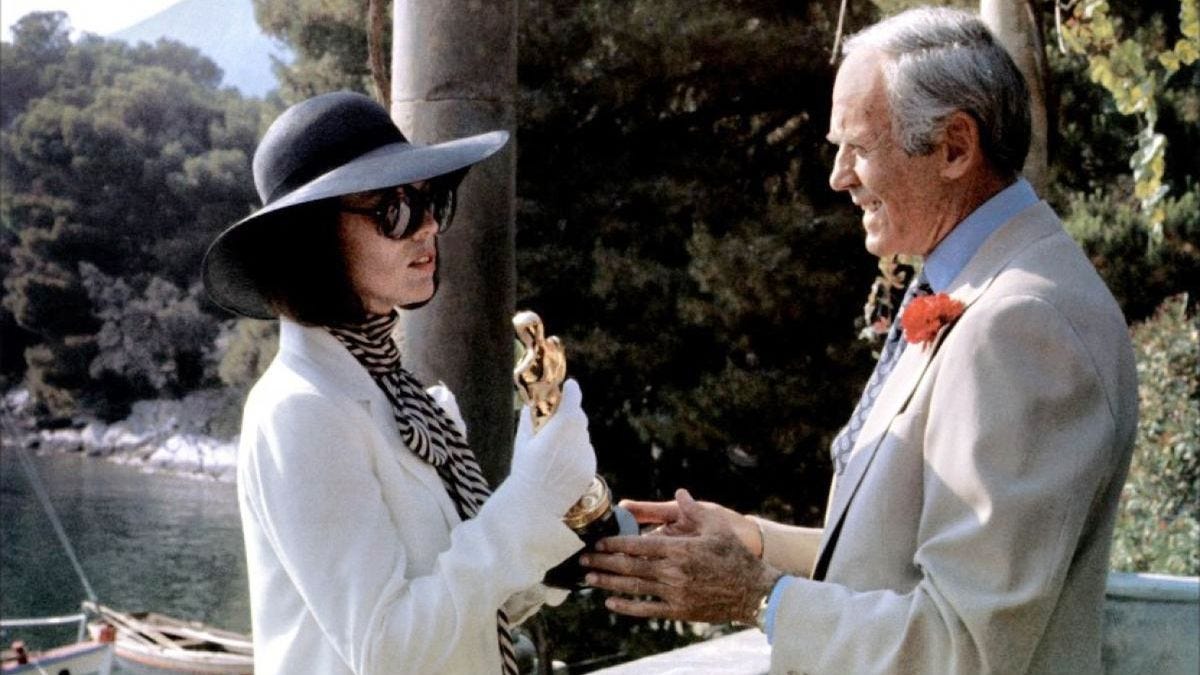
Wilder’s penultimate film seeks to recreate the atmosphere of Sunset Boulevard with a similar tale of imagined Hollywood lore. William Holden gives a reliable performance as a struggling film producer who flies to Corfu to find a reclusive movie star named Fedora (Marthe Keller) and convince her to star in his modernized update of Anna Karenina. He has a hard time breaking the protective circle around the actress until he is granted an interview with the elderly countess at the actress’s villa, who tells him that Fedora no longer works in films and will not be available. Holden suspects that the woman is being held against her will by those who would exploit her until a later turn of events prompts the actress’s entourage to tell him the complete tale, in flashback, of a tragedy involving babies out of wedlock, desperate plastic surgery and a conspiracy to shut out the public and the press.
Wilder couldn’t raise interest from Hollywood studios to make this film, which given his status as an architect of Hollywood’s golden age is a crime regardless of how this particular project turned out. His being forced to make the film with European money results in compromised production values in many ways: it doesn’t look great (a rare Wilder film with ugly cinematography) and the foreign actors are all badly dubbed, but ultimately it is Wilder and Diamond’s weak script (adapted from a story by Tom Tryon, star of Preminger’s The Cardinal) that undoes the entire thing. It’s a trashy TV movie that has a Kenneth Anger Hollywood Babylon-style story but is not played with the kind of juicy, gossipy tone that would excuse its being so ineffective as a drama about either a dysfunctional family or the inner workings of the most glamorous business in the world. Henry Fonda and Michael York appear in cameos as themselves.
Buddy Buddy (1981)
Rating: BB.5
Cast: Jack Lemmon, Walter Matthau, Paula Prentiss, Klaus Kinski, Dana Elcar, Miles Chapin, Michael Ensign, Joan Shawlee, Ben Lessy, Fil Formicola, C.J. Hunt, Bette Raya, Ronnie Sperling, Suzie Galler, John Schubeck, Ed Begley Jr., Frank Farmer, Tom Kindle, Biff Manard, Myrna Dell
Wilder had decided to retire after the difficulties of Fedora but decided to get behind the camera one more time when his frequent collaborators Walter Matthau and Jack Lemmon agreed to star in this remake of Édouard Molinaro’s 1973 film L’Emmerdeur (written by Dinner Game scribe Francis Veber, adapted from his play Le Contrat). The result is an enjoyable comedy, nothing near the stellar quality of Wilder’s best but an improvement on his efforts the previous decade.
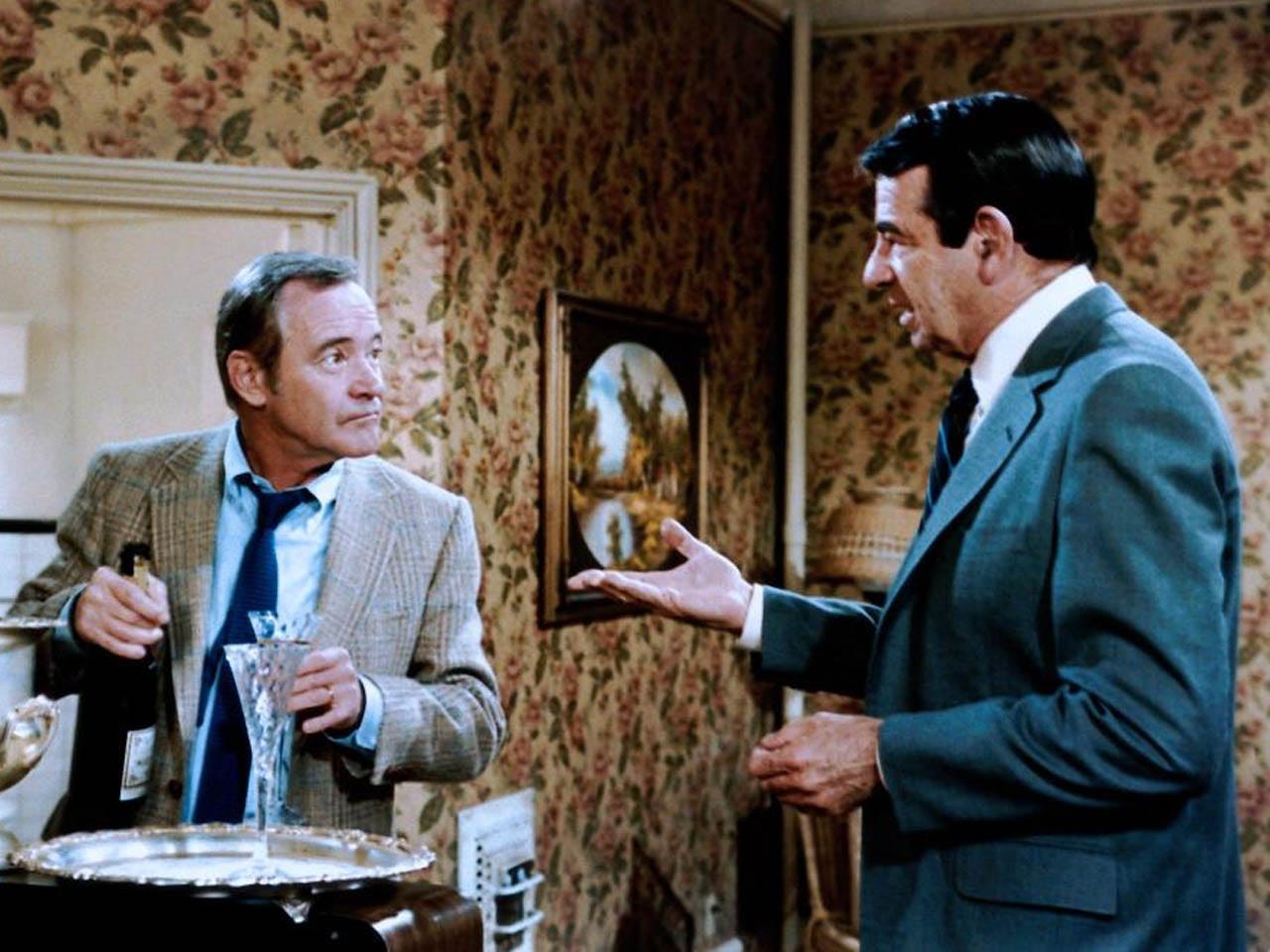
Matthau is somewhat miscast but still fun as Trabucco, a hit man for the mob who is famous for his ability to pull off a kill without the slightest hitch, sneaking poison into a milk bottle or a bomb into a mailbox and getting away with no one the wiser. He has successfully killed two witnesses who were set to testify against his bosses, but a third has evaded him and is on his way to appear in court. Setting up in a hotel room opposite the courthouse and trying to get a rifle in place to kill the man upon arrival, Trabucco is interrupted by the ruckus coming from the next hotel room, where depressed divorcee Victor Clooney (Jack Lemmon) has just tried, and spectacularly failed, to kill himself. Being drawn away from his job and into his new friend’s insanity causes a series of hijinks that eventually involve Klaus Kinski as the head of a sex institute and Paula Prentiss as the woman who got away.
There’s an effortless spontaneity to Veber’s comedies that never translates exactly right in his American adaptations, but this experience is too good-natured and unassuming for one to be too picky about the fact that it doesn’t exactly shine.