
The 1947 Oscars: Part 2
The Acting Nominations
Only one of the five Best Picture nominees went home empty-handed at the Oscars held on March 20, 1948, and it was the one that marks the beginning of one of America’s darkest histories: Crossfire was cited for Best Picture, Director and two actors, but if anyone from the film even went to the ceremony after director Edward Dmytryk’s being named one of the Hollywood Ten, it’s likely they weren’t given much a friendly reception. It would be co-star Robert Ryan’s only citation from the Academy before his death in 1973, while Gloria Grahame would go on to win an Oscar five years later.
In other notable breakthroughs, Rosalind Russell hired a publicist, a rare thing in those days, to get her to Oscar glory and was so certain she’d win for her performance in Mourning Becomes Electra that she was halfway out of her seat when Loretta Young’s name was announced for The Farmer’s Daughter (which didn’t stop anyone from hiring publicists going forward). In the Supporting Actor category, Thomas Gomez became the first Spanish-American to be nominated in an acting category.
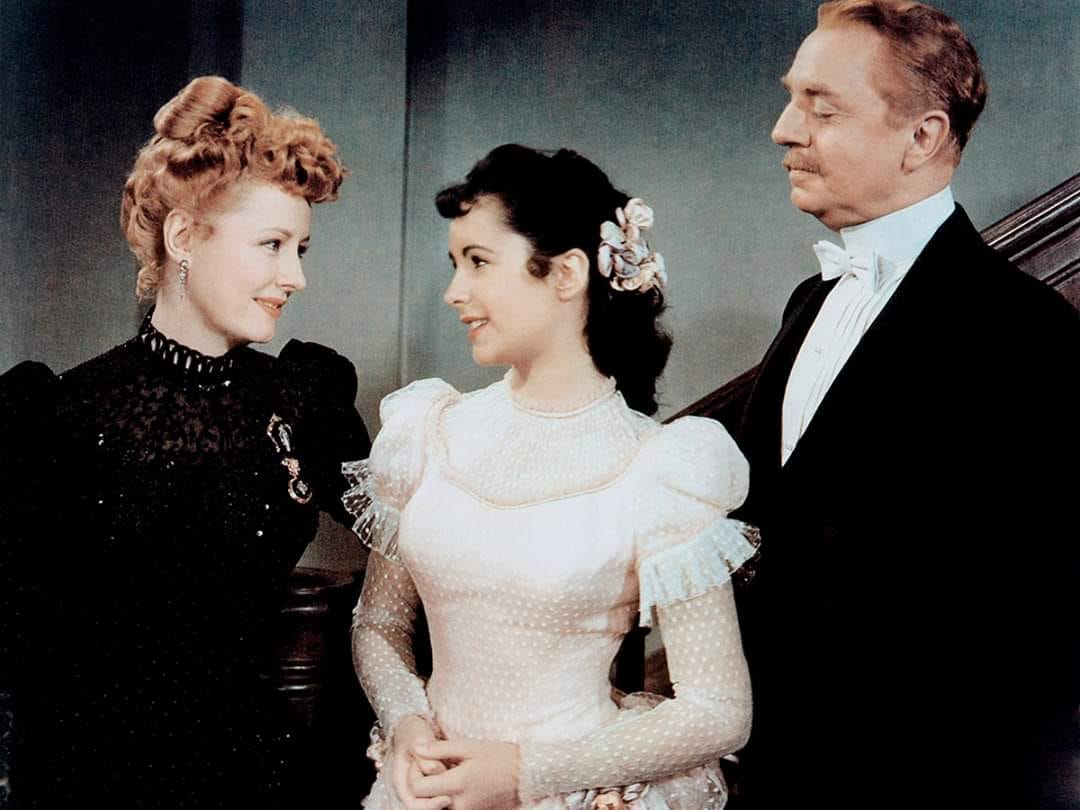
Life With Father
Michael Curtiz, 1947
Rating: BBB.5
Cast: William Powell, Irene Dunne, Elizabeth Taylor, Edmund Gwenn, ZaSu Pitts, Jimmy Lydon, Emma Dunn, Moroni Olsen, Elisabeth Risdon, Martin Milner, Johnny Calkins, Derek Scott, Heather Wilde, Mary Field, Monte Blue, Queenie Leonard, Nancy Evans, Clara Blandick, Frank Elliott, Douglas Kennedy
Delightful family comedy, the kind of nostalgia that was made in the forties to capitalize on the success of Meet Me In St. Louis. Adapted from the hit play based on the autobiographical tales of Clarence Day (junior), it surrounds the experience of a family living under the rule of picky, cantankerous Clarence Day senior (William Powell). He rules the household like a military leader, constantly in the know about every penny that leaves his house and unwilling to put up with any foolishness from his patient and addled wife (a hilarious Irene Dunne) or his four sons. The boys certainly give him no end of worries, whether it be career ambitions (selling snake-oil cure-alls that nearly kill their mother), desperation for maturity (the wheedling needed to get the money for a new suit) or the pangs of love (a fifteen year-old Elizabeth Taylor shows up and sets the world on fire). It moves through its scenes with ease thanks to skillful direction by Curtiz, who rarely goes beyond their giant house and yet never lets it feel stagey or bound, though the fact that it is so corny is also part of its appeal.
Nominations: Best Actor (William Powell); Best Art Direction (Color); Best Cinematography (Color); Best Music (Music Score of a Dramatic or Comedy Picture)
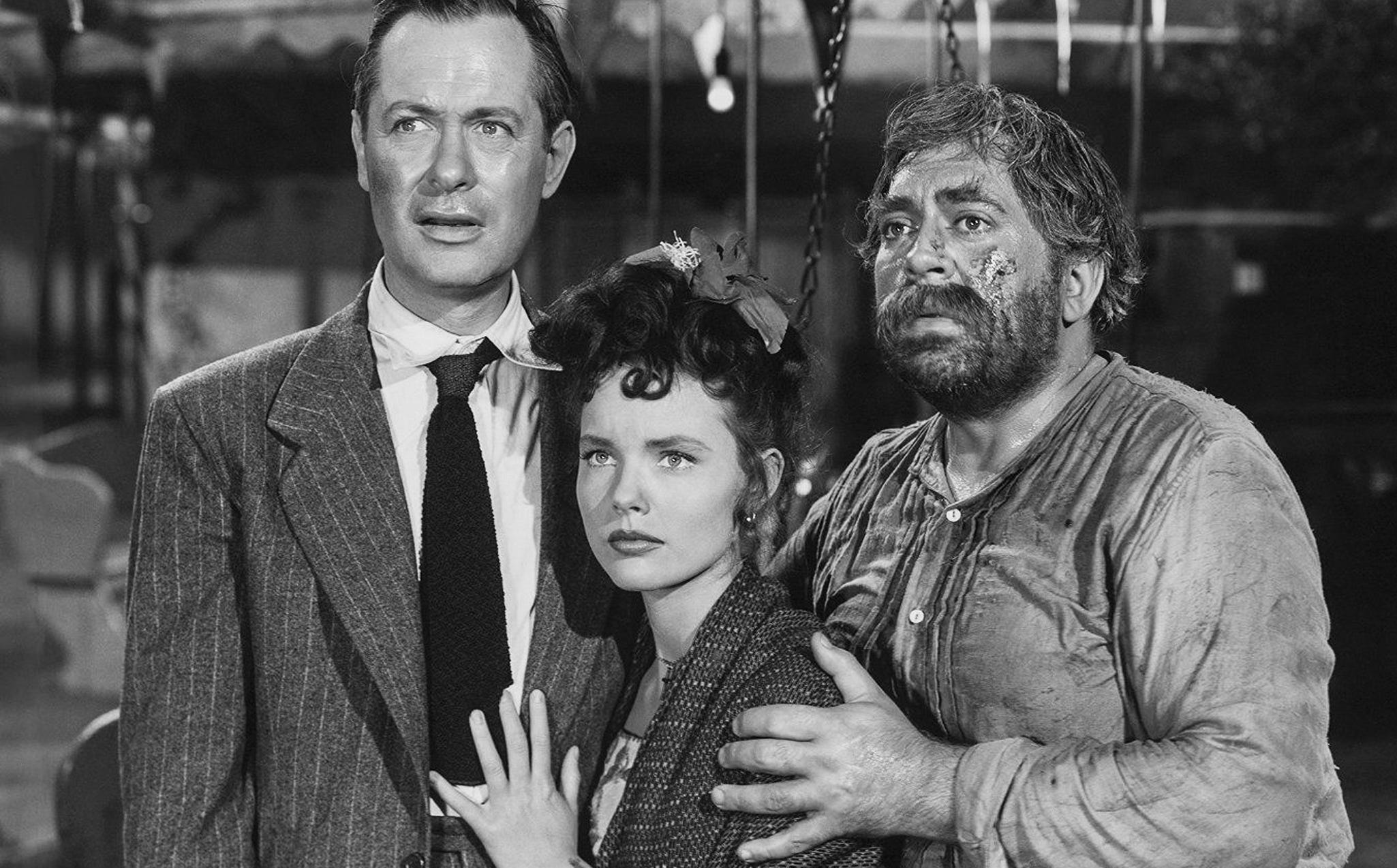
Ride The Pink Horse
Robert Montgomery, 1947
Rating: BBBB
Cast: Robert Montgomery, Thomas Gomez, Rita Conde, Iris Flores, Wanda Hendrix, Grandon Rhodes, Tito Rebaldo, Richard Gaines, Andrea King, Art Smith, Martin Garralaga, Edward Earle, Harold Goodwin, Maria Cortez, Fred Clark
Montgomery plays a World War II veteran named Lucky Gagin, who shows up in a New Mexico border town in search of a powerful, shady businessman (Fred Clark), a man whose success during the war basically amounted to war profiteering. Gagin’s war buddy died because of Clark and he has a score to settle, telling the man that he is in possession of evidence that would get him into serious trouble and is only willing to hand it over for a very large payout. He has to watch his back, it’s a tough town and Clark has plenty of heavies in his employ, plus Gagin is being followed by a federal agent who has been trying to nail Clark down and won’t let this interloper ruin his plans. Our hero settles in, gets to know a friendly carousel operator (Thomas Gomez, the first Latino actor to receive an Oscar nomination) and a naive young girl (Wanda Hendrix in brownface) who operates as the object of purity in the cruel world that noir loves to rely on as a symbol. Rare for an American studio film of the time, Montgomery does double-duty as star and director and shows a steady hand at both, his Lucky Gagin disarms you with his boyish looks and rubbery smile but has a hint of menace to him that peeks from beneath the surface evenly throughout the film. Equally compelling and mysterious is the film’s narrative, which builds steadily without any cheap thrills or shocks, placing the focus more directly on the disillusionment of returning vets that film noir plots often obscure with twists and turns.
Nomination: Best Supporting Actor (Thomas Gomez)
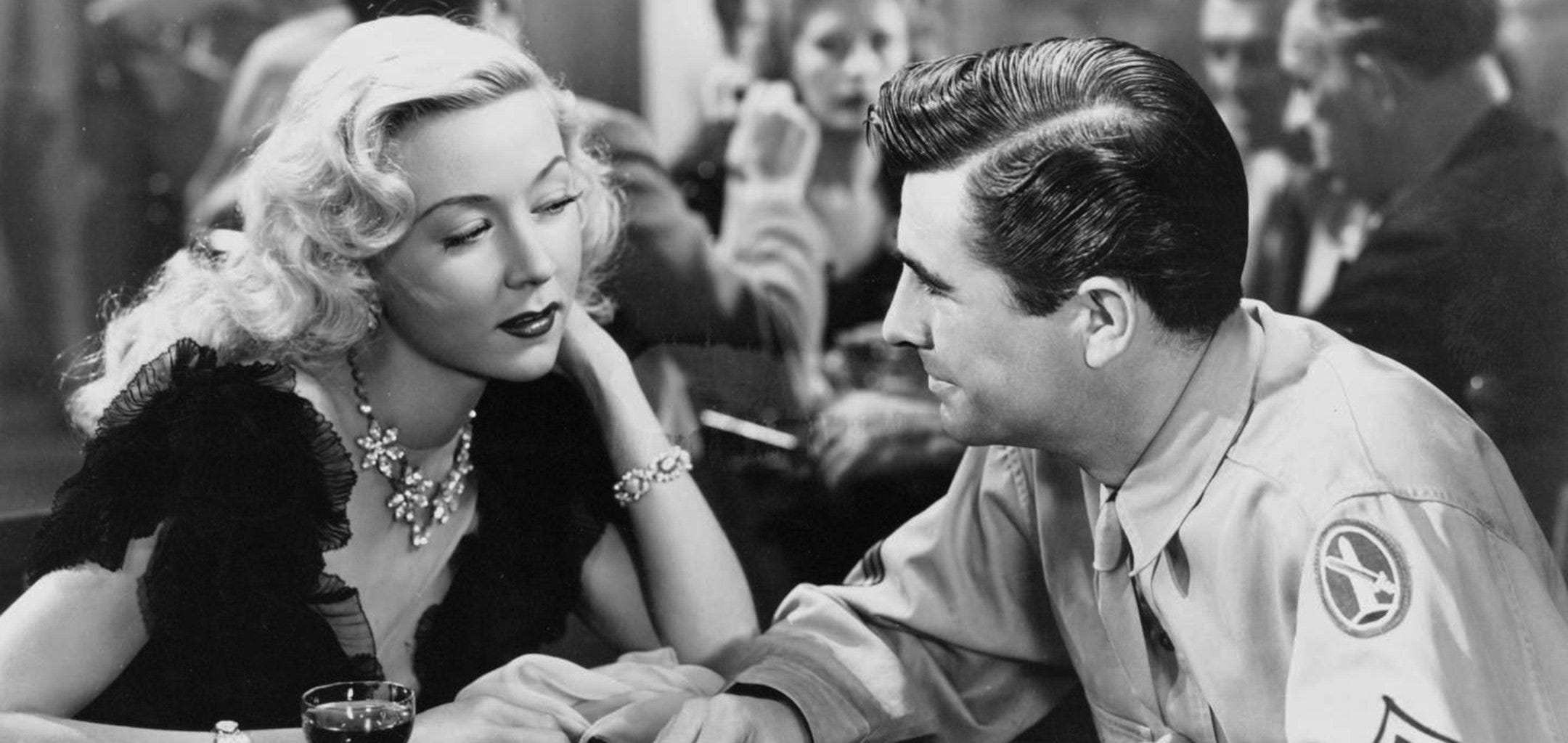
Crossfire
Edward Dmytryk, 1947
Rating: BBBB
Cast: Robert Young, Robert Mitchum, Robert Ryan, Gloria Grahame, Paul Kelly, Sam Levene, Jacqueline White, Steve Brodie, George Cooper, Richard Benedict, Tom Keene, William Phipps, Lex Barker, Marlo Dwyer, Kenneth McDonald
A man is murdered after leaving a bar with a few soldiers, getting Robert Mitchum pulled into police headquarters where Robert Young questions him about the incident. The lead suspect in the murder has disappeared, which means Young must ask questions about the night of the incident that inspire flashbacks, which eventually helps clear up the devastating motivation behind the killing itself. The search for the killer takes us into divey nightclubs, the dingy apartment of a taxi dancer (an unforgettable Gloria Grahame) and involves another soldier (Robert Ryan in his starmaking breakthrough) with a bad temper and even worse secrets. Shot like a film noir with stark, gorgeous cinematography that employs a great deal of focused points of light piercing through harsh dark backdrops (a technique actually chosen because it kept the budget low), this murder mystery investigates American bigotry and is wholly involving until a rather abrupt ending: movies of the forties generally undo the moral knot that has been tied and leave it at that, there’s no need to contemplate the undoing. The film deals with anti-Semitism (in place of the novel’s original theme, which dealt with homophobia), and became unpopular very quickly when director Dmytryk refused to name names to the HUAC in the earliest days of the Red Scare, earning the film’s creative team frosty treatment at the Academy Awards ceremony where it was nominated in five major categories; it lost to that more popular film on a similar subject, Gentleman’s Agreement, made by the far more HUAC-amenable Elia Kazan. Make sure to check out the Riviera Rats episode that discusses this film in January.
Nominations: Best Motion Picture; Best Supporting Actor (Robert Ryan); Best Supporting Actress (Gloria Grahame); Best Directing (Edward Dmytryk); Best Writing (Screenplay)
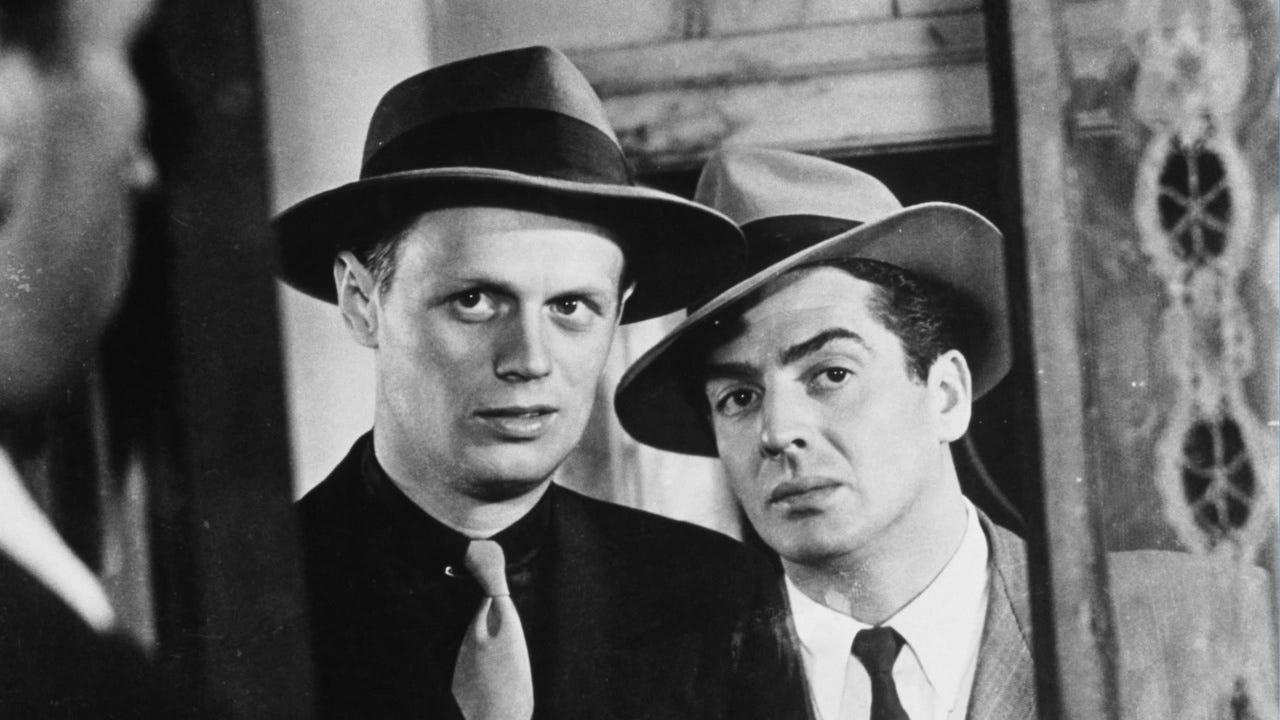
Kiss Of Death
Henry Hathaway, 1947
Rating: BBB.5
Cast: Victor Mature, Brian Donlevy, Coleen Gray, Richard Widmark, Taylor Holmes, Howard Smith, Karl Malden
Victor Mature goes to the joint for robbery but needs to get out when he finds out that his wife has killed herself and orphaned their two little girls. He squeals on a psychotic mobster (Richard Widmark) and is released to the world and to a new wife (an excellent Coleen Gray), but when the feds fail to stick charges on Widmark based on his evidence, Mature needs to send his family out of town and wait for the bad guy to seek revenge. An exciting plot and strong performances, including one of Mature’s best, are great compensation for Henry Hathaway’s committed though not exceptional direction in this satisfying film noir. Widmark would later make a career as stalwart hero types, so it’s fun to see him in full character mode as a goofy psychopath with a tick of a laugh.
Nominations: Best Supporting Actor (Richard Widmark); Best Writing (Motion Picture Story)
Smash Up-The Story of a Woman
Stuart Heisler, 1947
Rating: BB
Cast: Susan Hayward, Lee Bowman, Eddie Albert, Marsha Hunt, Carl Esmond, Carleton G. Young, Charles D. Brown, Janet Murdoch, Sharyn Payne, Robert Shayne
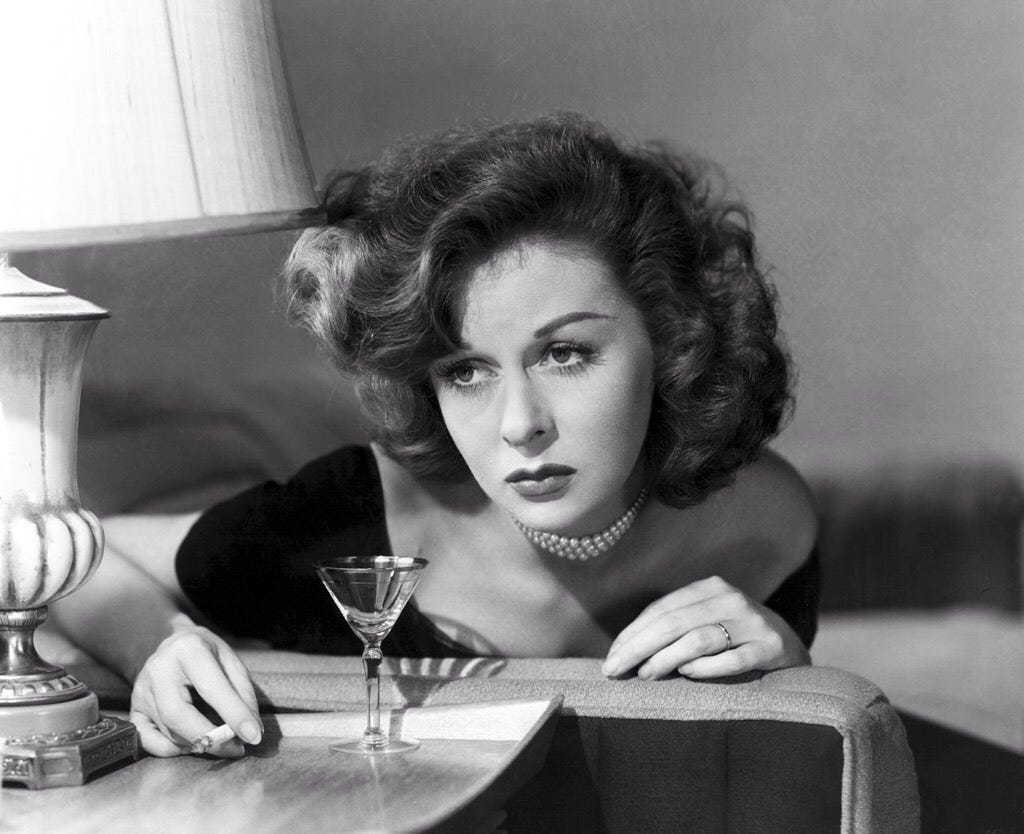
Exceedingly talented singer Susan Hayward gives up her career to be supportive of her equally gifted crooner husband (Lee Bowman), keeping house during their early struggle before he makes it big with the bobby-soxers and she finds herself surrounded by luxury. She also surrounds herself with bottles, seeking refuge in alcohol and spiraling downward as her husband becomes more and more successful. This melodramatic “issue” picture deals with its subject as poorly as all Hollywood films trying to hit the tough buttons did in the post-WWII era. Hayward really lays it on thick, tripping over furniture and slurring all her dialogue in her more demanding scenes, while director Heisler shoots her in glinty black and white with a musical score that overkills her every emotional impulse. This isn’t to say, of course, that the film doesn’t have a kitschy appeal to it, but its dramatic intensity, should it have had any to begin with, has not survived the decades. It did, however, lead to better things for Hayward, who became established as a dramatic icon and would find much better roles in With A Song In My Heart (my particular favourite) and her Oscar-winning I Want To Live.
Nominations: Best Actress (Susan Hayward); Best Writing (Motion Picture Story)
The Paradine Case
Alfred Hitchcock, 1947
Rating: BB
Cast: Gregory Peck, Ann Todd, Alida Valli, Charles Laughton, Charles Coburn, Joan Tetzel, Ethel Barrymore, Louis Jourdan, Leo G. Carroll, Isobel Elsom, John Williams
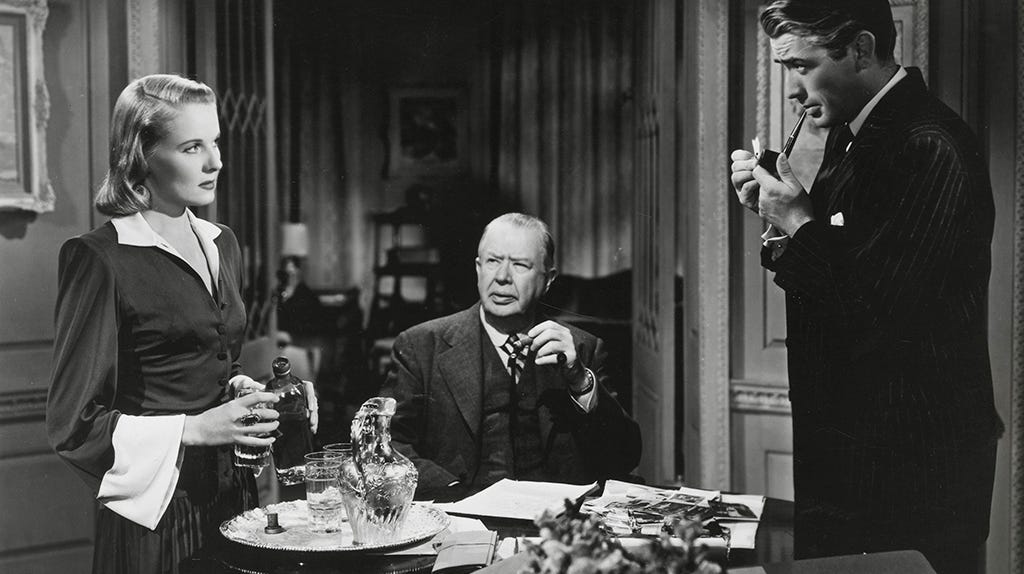
The worst film that Hitchcock made in Hollywood was this stinky drama made towards the end of his contract with producer David O. Selznick (and the master’s frustration with getting out of that relationship shows in his lackluster direction). Gregory Peck badly plays an English barrister who is defending a beautiful woman (Alida Valli) accused of murdering her husband, a defendant with whom he falls in love and makes a fool of himself despite the fact that nothing in this film ever occurs to let that make the least bit of sense. Louis Jourdan makes his first notable North American appearance as one of Valli’s staff members accused of having an affair with her. The best performances in the film come from a brief appearance by Ethel Barrymore as the emotionally abused wife of judge Charles Laughton, and most especially from a marvelous Ann Todd playing Peck’s winsome wife. The plot circles a few interesting moments without ever zeroing in on them before a conclusion that does not feel earned, but Hitchcock’s talent with production values is at least on display, the film looks as good as his plush melodramas of the forties.
Nomination: Best Supporting Actress (Ethel Barrymore)
Possessed
Curtis Bernhardt, 1947
This film is reviewed on The Films of Joan Crawford, Part 2
Nomination: Best Actress (Joan Crawford)
The Egg and I
Nomination: Best Supporting Actress (Marjorie Main)
Mourning Becomes Electra
Nominations: Best Actor (Michael Redgrave); Best Actress (Rosalind Russell)